
Lords Wood, Lodsworth
Meeting date: 8 July 2023
(Leader: Paul Whitby)
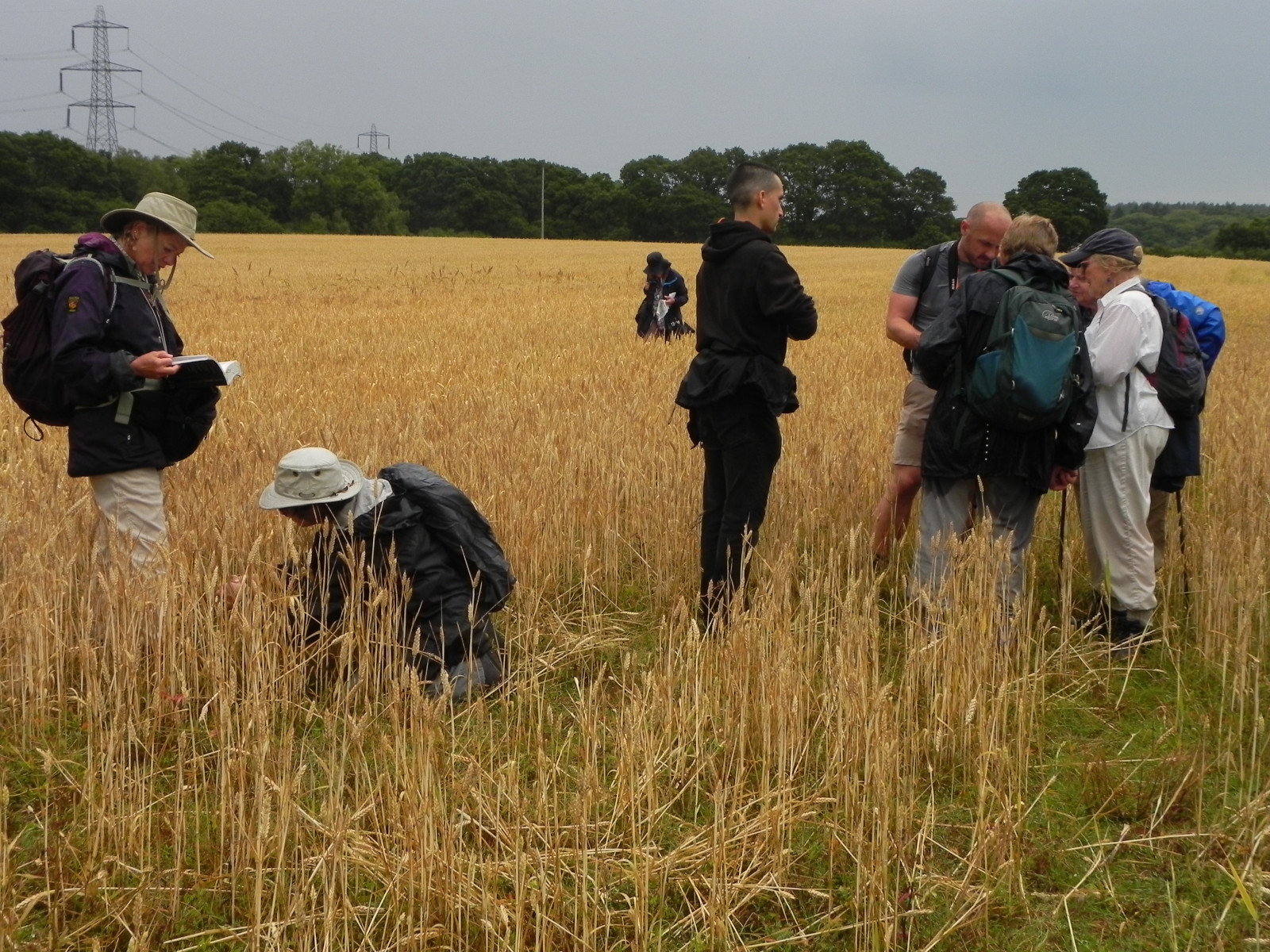
Twelve members drove down a mile long private track to the depths of the Sussex countryside north of Lodsworth to walk around Lords Wood Farm. Owned by the Leconfield Estate, this has been managed by a tenant farmer as minimal input mixed arable for over thirty years, with no fertiliser or insecticides. Arable fields are left fallow one year in three.
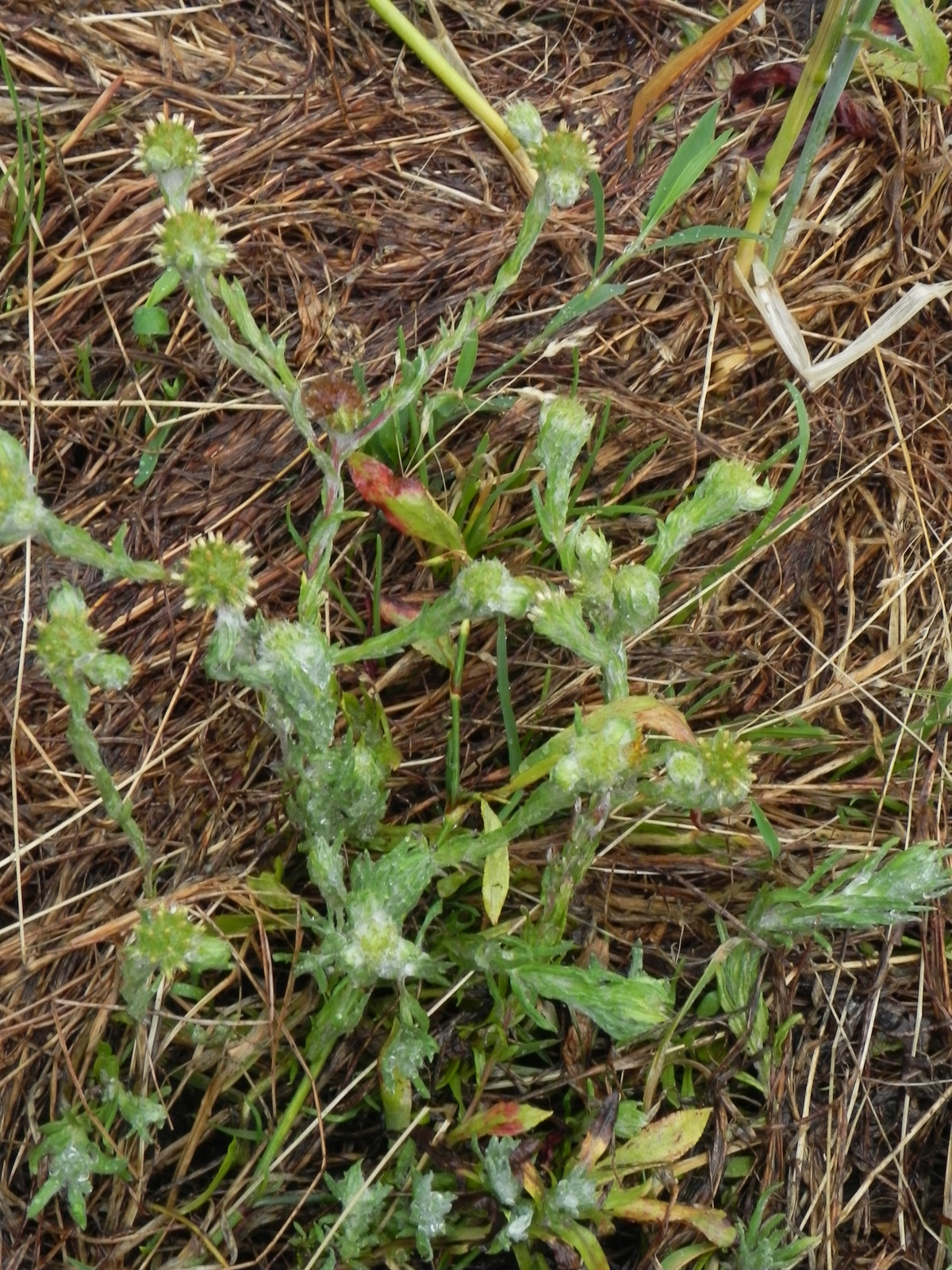
Members admired the house martin boxes, complete with a loudspeaker playing calls to attract the birds, at the Ecology Co-op offices. Then we crossed one field and entered another to examine an interesting flush, whilst ourselves being inspected by a herd of Sussex cattle. Notable finds included Achillea ptarmica (Sneezewort), Myosotis laxa (Tufted Forget-me-not), Galium palustre (Marsh Bedstraw), Ranunculus flammula (Lesser Spearwort) and Stellaria alsine (Bog Stitchwort). A thunderstorm and downpour followed and we sheltered under a hedge, whilst the cattle stampeded dramatically on the other side of the field. As the rain cleared, we moved on to look at arable weeds around a wheat field. An unusual large Bromus left us puzzled, but keyed out as B. hordeaceus in all characteristics. We found Filago vulgaris (Common Cudweed), Viola arvensis (Field Pansy), Sherardia arvensis (Field Madder), Anisantha diandra (Great Brome) and Kicksia elatine (Sharp-leaved Fluellen) amongst more frequent arable weeds. We picnicked on the field edge in the sunshine.
We then descended a woodland path finding Melica uniflora (Wood Melick), Anemone nemorosa (Wood Anemone), Chrysosplenium oppositifolium (Opposite-leaved Golden-saxifrage) and other woodland species. Next were some fields reverting to scrub on the slopes with some marshy and very muddy areas where Jacobaea aquatica (Marsh Ragwort), Alopecurus geniculatus (Marsh Foxtail) and Glyceria fluitans (Floating Sweet-grass) grew. Only the most intrepid could cross the muddy path; others took a high route around the scrub. Galium saxatile (Heath Bedstraw) was found. An interesting Potentilla specimen later proved to be P. anglica (Trailing Tormentil), as microscopy by Sue Denness showed fertile pollen: a hybrid Potentilla would have had shrivelled infertile pollen. We returned to the car park, admiring a meadow with Rhinanthus minor (Yellow-rattle). A few original plants had been supplemented by locally gathered seed. Thanks to Paul Whitby, Ecologist and SBRS member, for suggesting and leading this field outing.