Park Corner Heath
Meeting date: 21 May 2022
(Leaders: Bob Foreman & Helen Proctor)
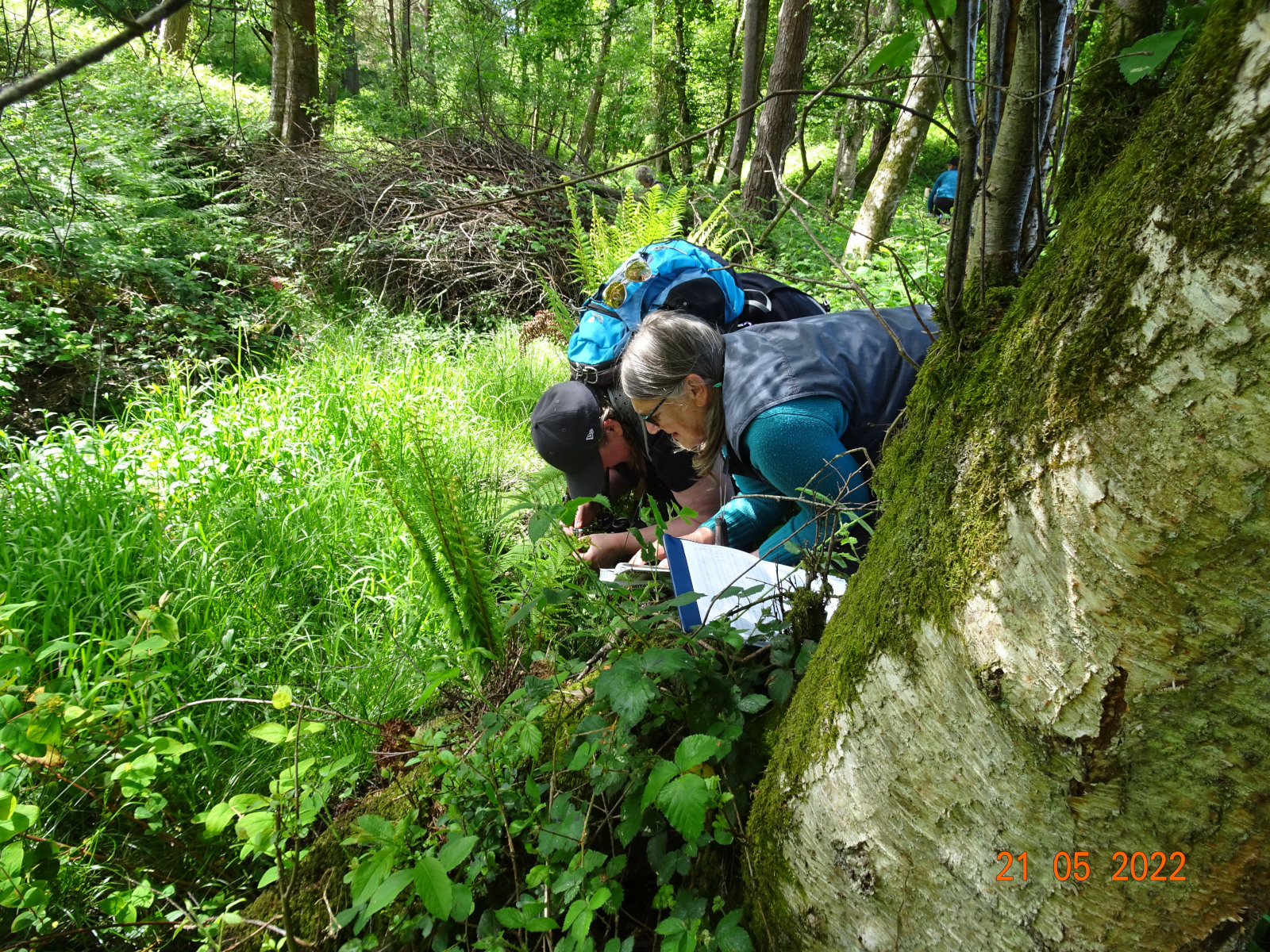
Six of us met on a dry, sunny and breezy morning that became warmer in the afternoon. Bob Foreman from the Sussex Biodiversity Record Centre gave the group a brief introduction to this Butterfly Conservation nature reserve, which also includes Rowland Wood. Bob had organised a mini Bioblitz, including the setting up of two moth traps. Bees were being surveyed while Pearl and Small Pearl-bordered Fritillaries were searched for. The objective of our meeting was to look for Viola riviniana (Common Dog-violet), the larval food plant of the Fritillary butterflies. Neil Hulme told me that the Viola is missing from a central belt across the width of the bracken-covered plateau.
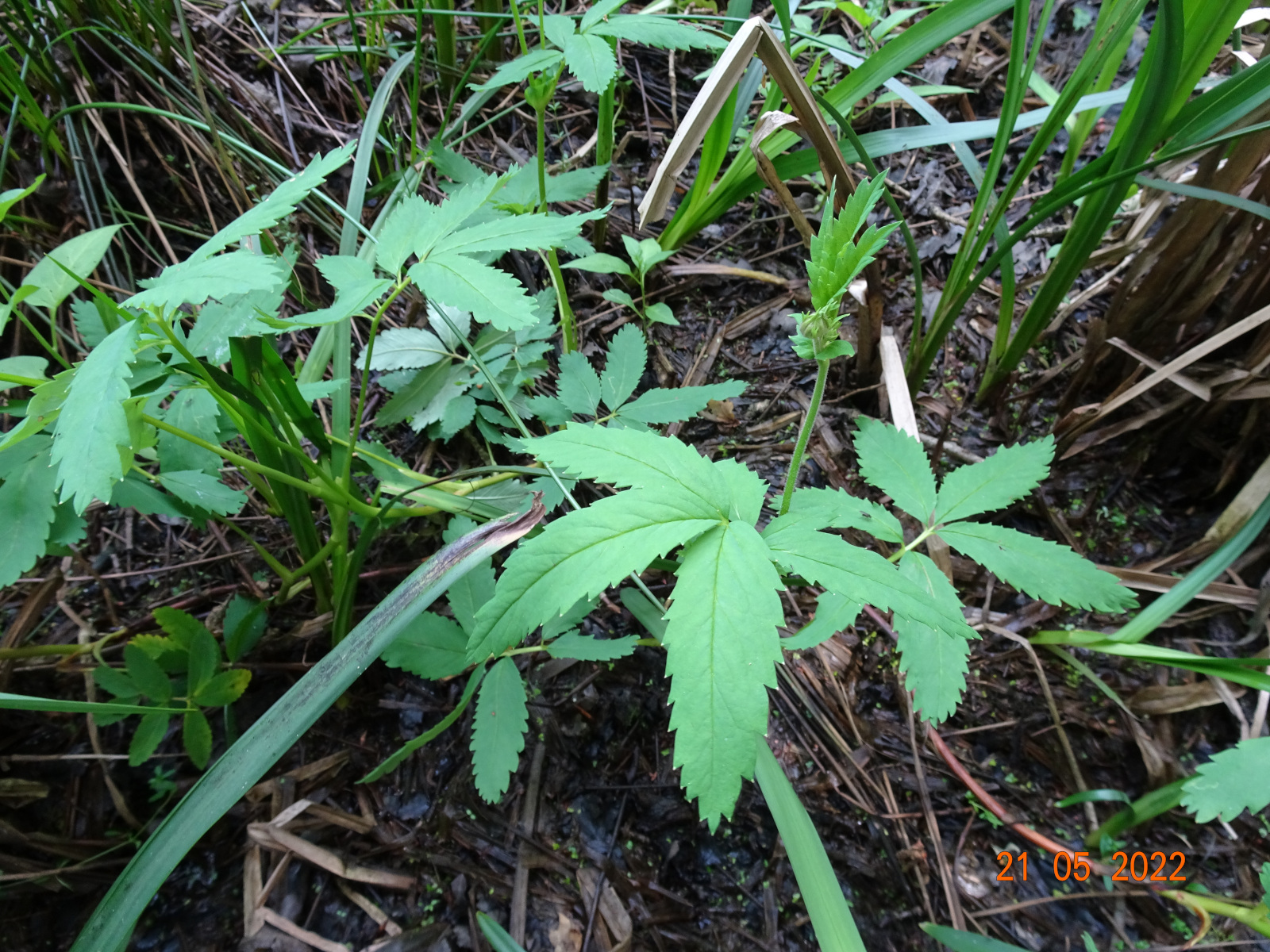
Five sedges species were recorded including Carex pallescens (Pale Sedge). Betonica officinalis (Betony) and Lathyrus linifolius (Bitter Vetch) were uncommon. Other species included Succisa pratensis (Devil’s-bit Scabious) and Solidago virgaurea (Goldenrod). Winter conservation management is opening up different areas in rotation, providing more light for nectar-bearing flowering plants. Calluna vulgaris (Heather) is being encouraged to spread. Brimstone butterflies are frequent in Spring, owing to the abundance of the larval food plant, Frangula alnus (Alder Buckthorn). A large patch of Comarum palustre (Marsh Cinquefoil) still occurs by the pond. The stream and woodland provided more species. Thanks are due to Jacqueline Hutson for entering the records for 92 species & DAFOR scales.