
The Severals, Midhurst
Meeting date: 7 August 2021
(Leader: Elisabeth Sturt)
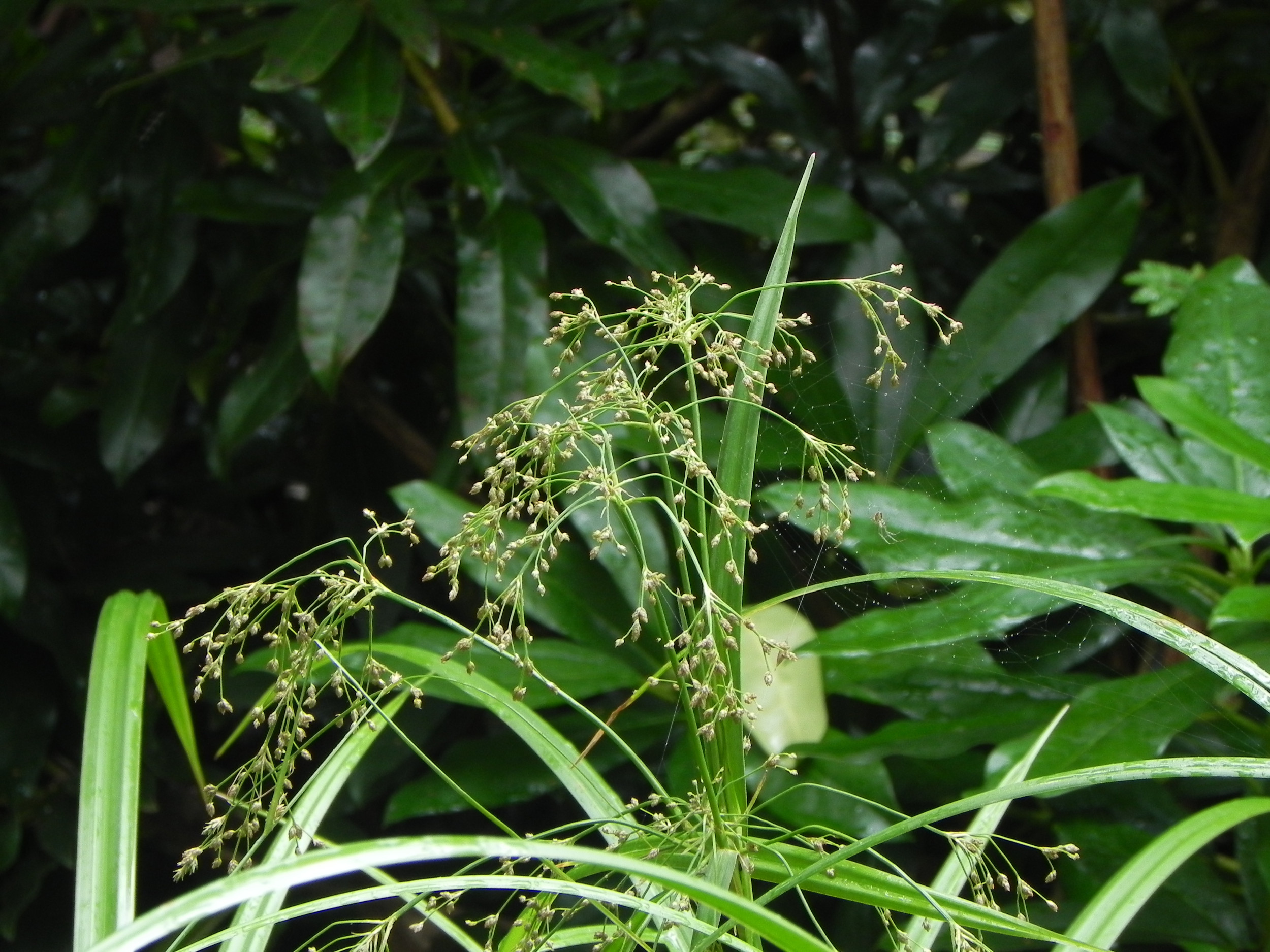
All the roads leading to Midhurst were awash as bands of torrential rain swept across from the west and the first job for the seven foolishly optimistic members was to don waterproofs and leave lunch in the car until a predicted soggy return later. Except that the rain was suddenly gone and the party set off under an improving sky down a footpath which underfoot bore a vague resemblance to the Yellow Brick Road. The Midhurst Whites used to surface this track extending from the old works have encouraged a suite of species which are not normally associated with sandy heath: Clematis vitalba (Traveller’s-joy), Euonymus europaea (Spindle) and Galium odoratum (Woodruff) being good examples of those which have moved into the calcareous conditions. A little further down the path, on either side more acid-loving species could be ticked off – Calluna vulgaris (Ling), Cytisus scoparius (Broom) and Veronica officinalis (Heath Speedwell). When the bricks petered out it was all heathland plants, with plenty of damp ditches and hollows to provide variety: Carex binervis (Green-ribbed Sedge), Erica tetralix (Cross-leaved Heath) and good stands of Juncus squarrosus (Heath Rush). The intention had been to add to the tally by reaching a patch of damp meadow with some sandy arable beyond a stream but the heavy rain had caused the waters to rise and burst the banks so that it was impossible to reach the footbridge. The party had no choice but to retreat and focus on the heath before heading back to the start for lunch. After this some rides and cleared areas gave rise to some good discussions: Juncus acutiflorus (Sharp-flowered Rush) versus J. articulatus (Jointed Rush); a Lysimachia that did not look quite like L. vulgaris (Yellow Loosestrife) but in the end was (perhaps a horticultural form?); and Potentilla erecta (Tormentil) and P. reptans (Creeping Cinquefoil) and bewildering intermediates, with candidates for P. x mixta winning the day but not making it onto the card held by the fussy scribe. Where the conifers had been felled two or three years ago Ulex minor (Dwarf Gorse) was in flower, and in wetter parts the prize was Isolepis setacea (Bristle Club-rush). For some time Dan Watkins had noticed that we were very near a special bog he knew and he kept mentioning it at intervals until in the end we could ignore the hints no longer. It was well worth the minor detour because in a sequestered clearing in the woods, amid green blankets of Polytrichum and Sphagnum spp., were such treasures as Scirpus sylvaticus (Wood Club-rush), Carex paniculata (Greater Tussock-sedge) and Dryopteris carthusiana (Narrow Buckler-fern). The other prize was Carex laevigata (Smooth-stalked Sedge) which we were able to compare with the Carex binervis seen earlier. The meeting was not only enjoyable for the lack, against all the odds, of precipitation – in fact we noticed half way through the day that the sun had shone continuously – but for the interest of the flora and the way in which the group shared their various identification tips; and those lively ‘discussions’ referred to above, in which not a single blow was struck! Elisabeth remarked afterwards upon the harmonious chemistry of the group – Frances Abraham, Sue Denness, Helen Dignum, Richard Robinson, the awkward gentleman with the recording card and, not by any means least, Dan of the Bog. An excellent day in the field!
