
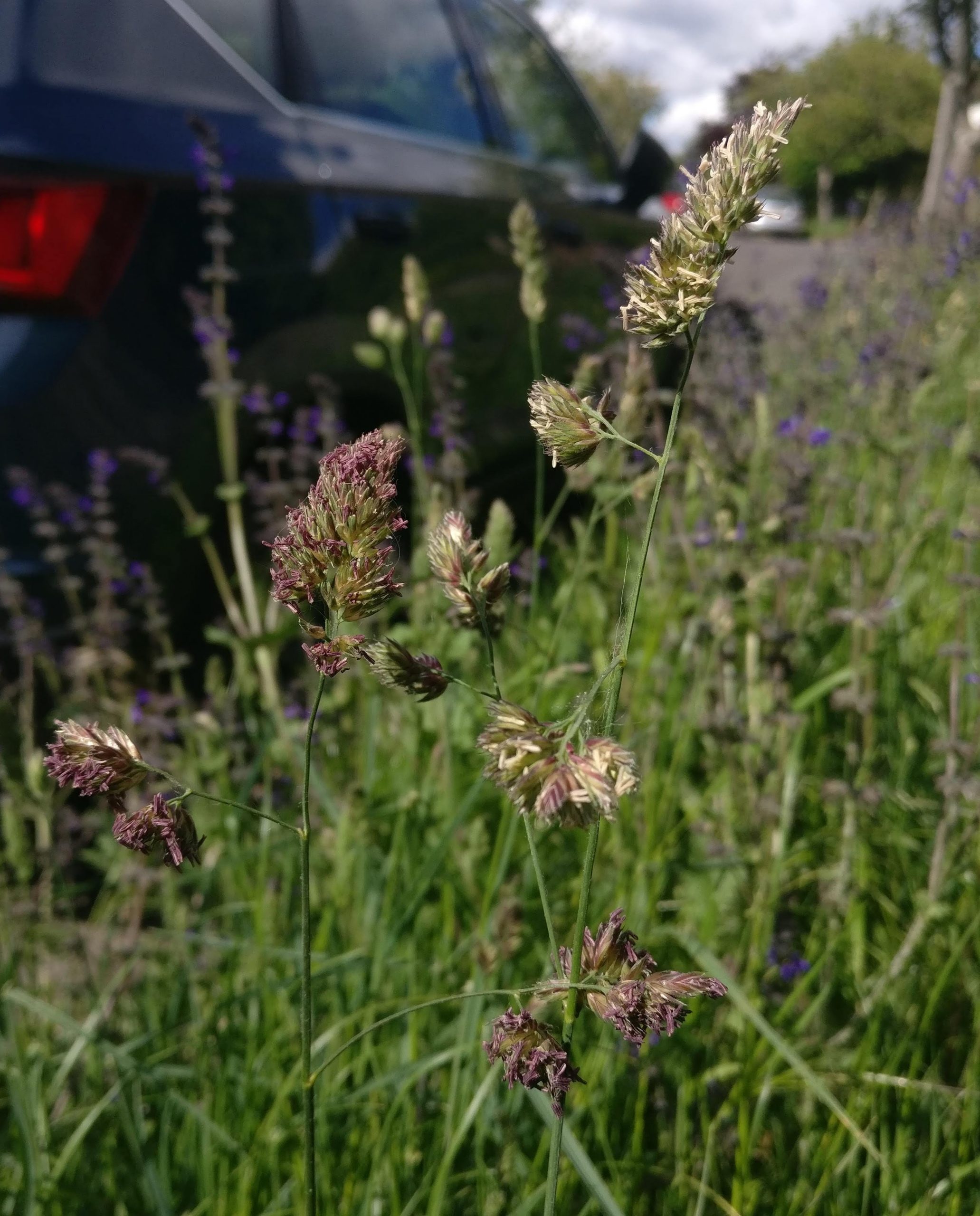
Dactylis glomerata (Cock’s-foot)
Culms, tillers, nodes, sheaths, blades, ligules, auricles, inflorescences, racemes, panicles, rachis, rachillas, bracts, spikelets, florets, glumes, lemmas, paleas, awns, caryopses, achenes and of course my particular favourite, lodicules.
As my mother used to say: grasses are flowering plants too you know! *
To the aspiring field botanist this can be depressing news; you’ve just got to grips with the three main buttercups and violets, are trying to sort out speedwells, and suddenly someone tells you there are over two hundred species of grass to be found in the British Isles. Such an alarming statistic can overwhelm the beginner botanist. It may, alternatively, excite them to know that there is a whole new world to discover.
Hopefully we’ll see that the latter reaction is perfectly reasonable. As with other biological groups the trick is to start with the common ones. Don’t try to identify every grass you see, but start trying to determine how many different species there are on your routine walks, in the verges, pavements and parks where you live. Mostly there won’t be more than six or seven dominant species.
There is new jargon to learn if you want to use the keys in the comprehensive books. Like many people I find it easier when stuff is presented visually and as usual, there are plenty of amazing resources out there on the interweb to help. One thing I’ve learnt is that the best often don’t pop up in a simple online search, so I would always recommend looking in places put together by experts. The Botanical Society of the British Isles is probably the best repository of documents and links, and as before, I would urge you to join if you are thinking of getting into plants. One of the best for grass anatomy is in this pdf document, starting at page 16.
One of the easiest ways to learn, of course, is from someone more expert than yourself. If they happen to be walking along beside you when you see something of interest, even better. And this is what happens on field meetings with your local botanical group. So come along when they restart and we’ll soon have you telling your Poas from your Hordeums!
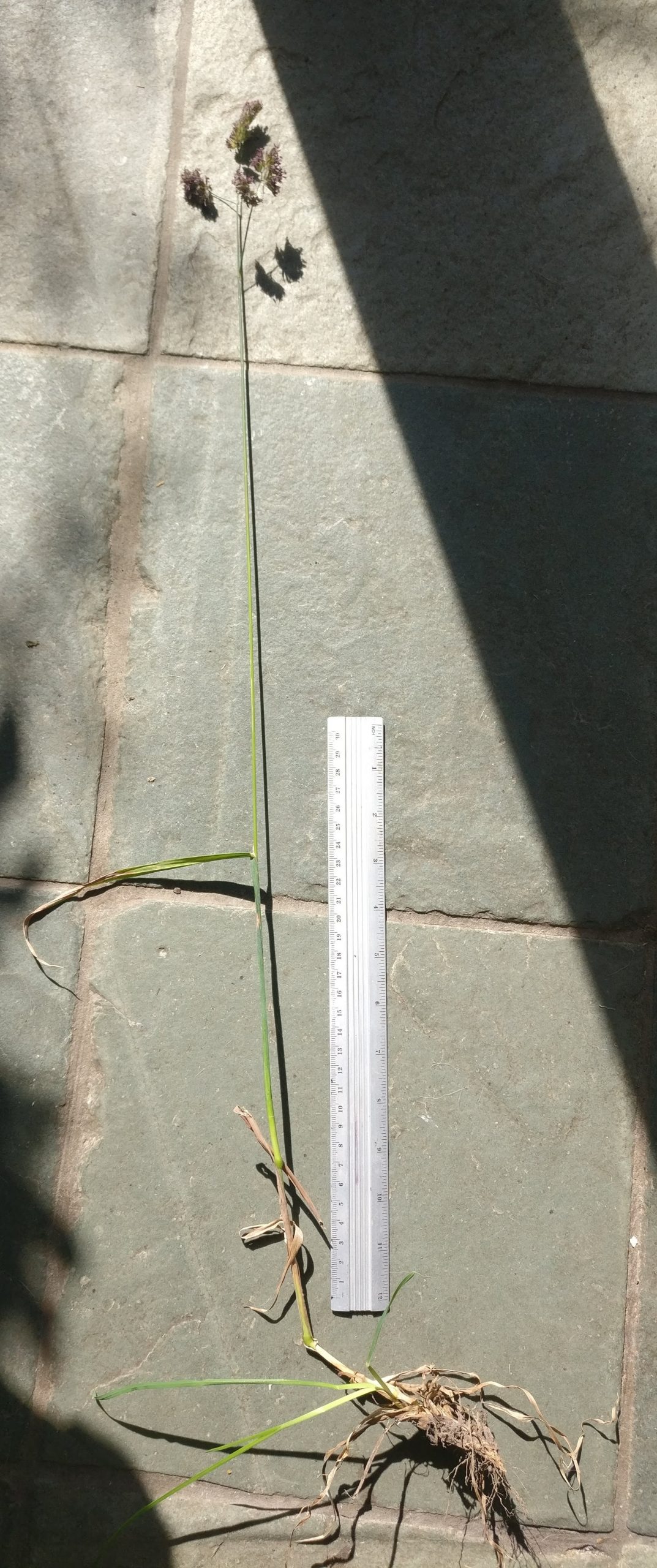
This week’s #SxPOTW is one of the commonest grasses and easiest to recognise. It grows in most habitats and according to our Flora was found in practically every tetrad in Sussex.
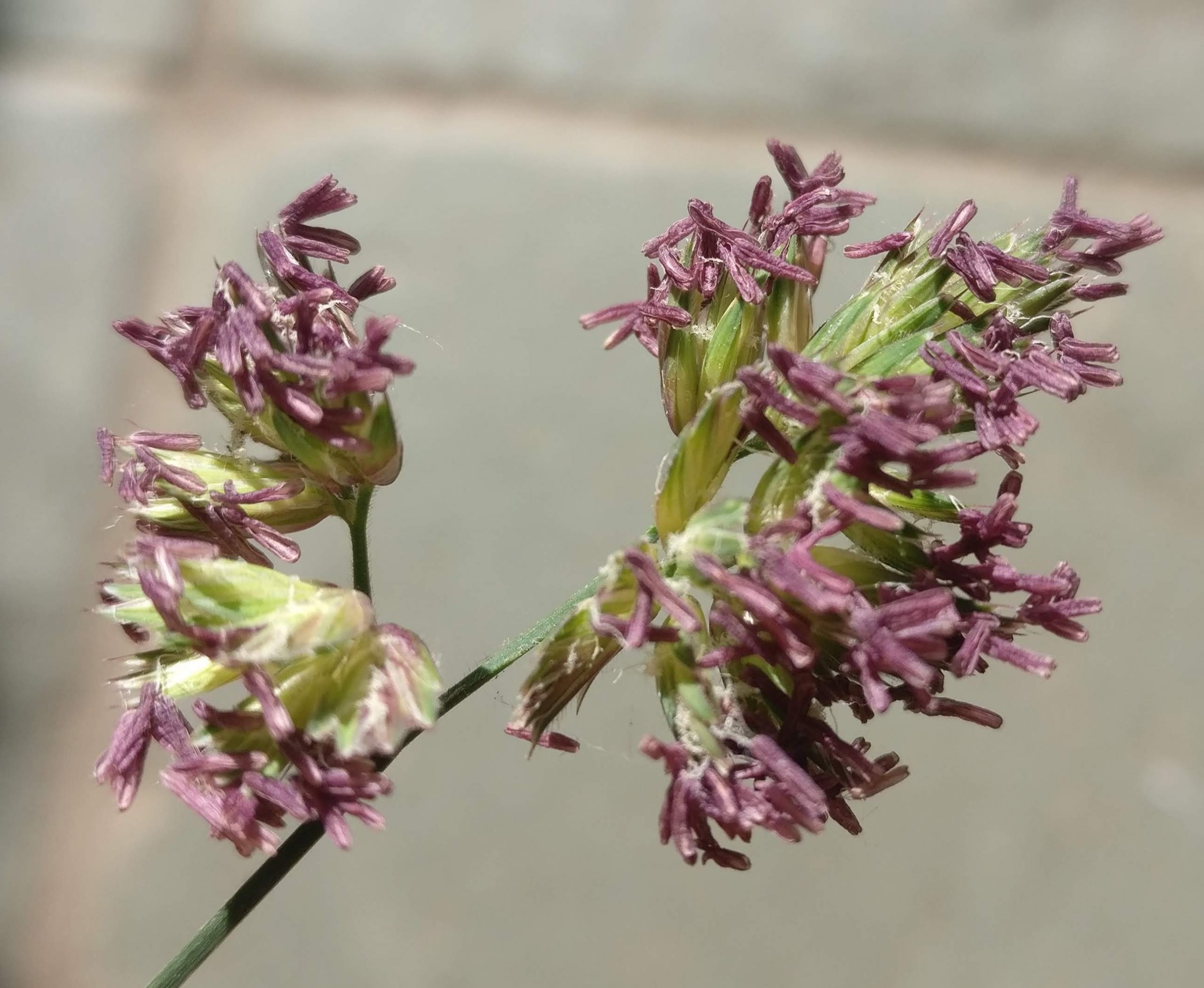
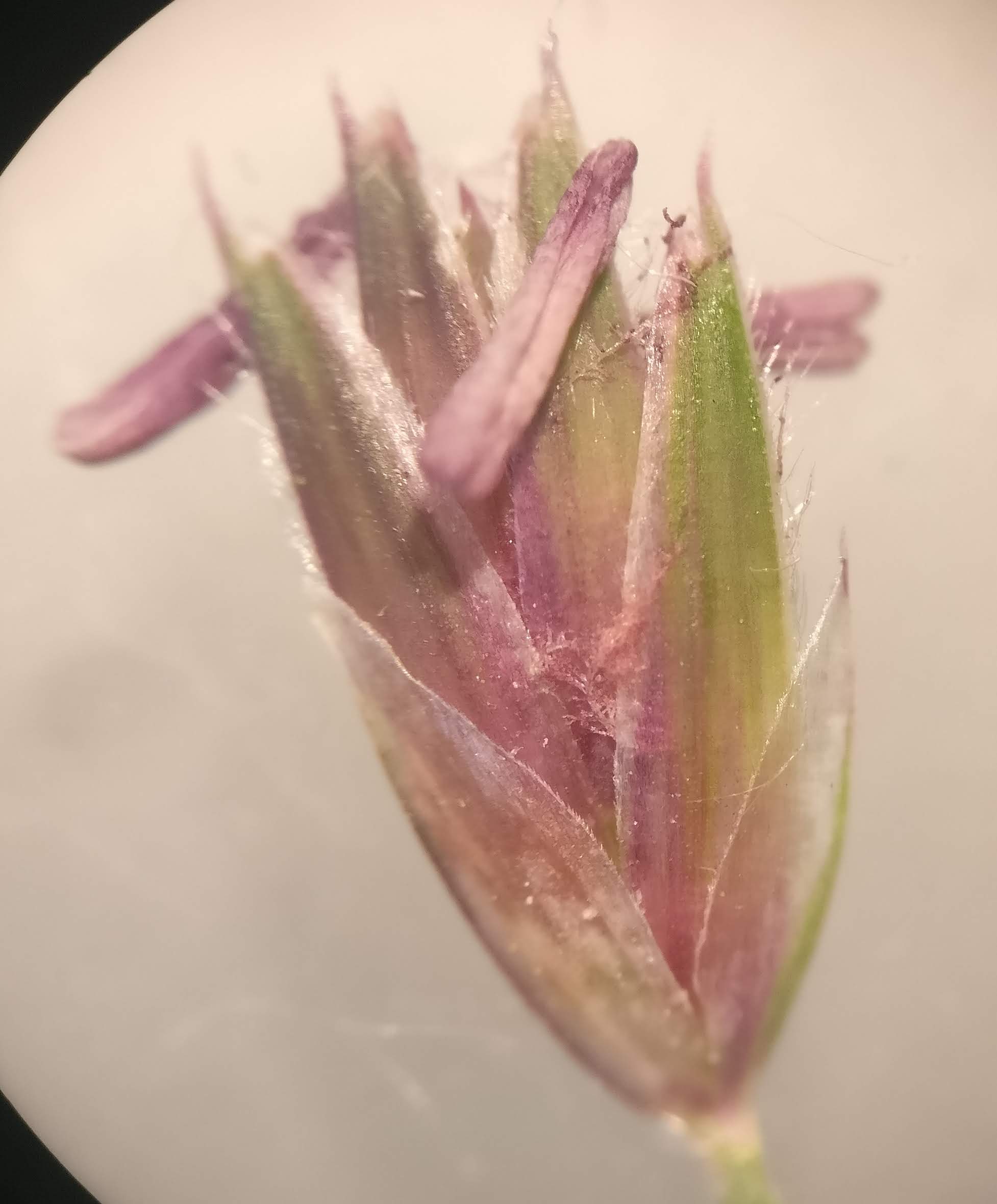
It has robust, dense, one-sided clumps of spikelets (apparently imitating the appearance of the claw of a cockerel’s foot!) and is beginning to release pollen from its purplish anthers.
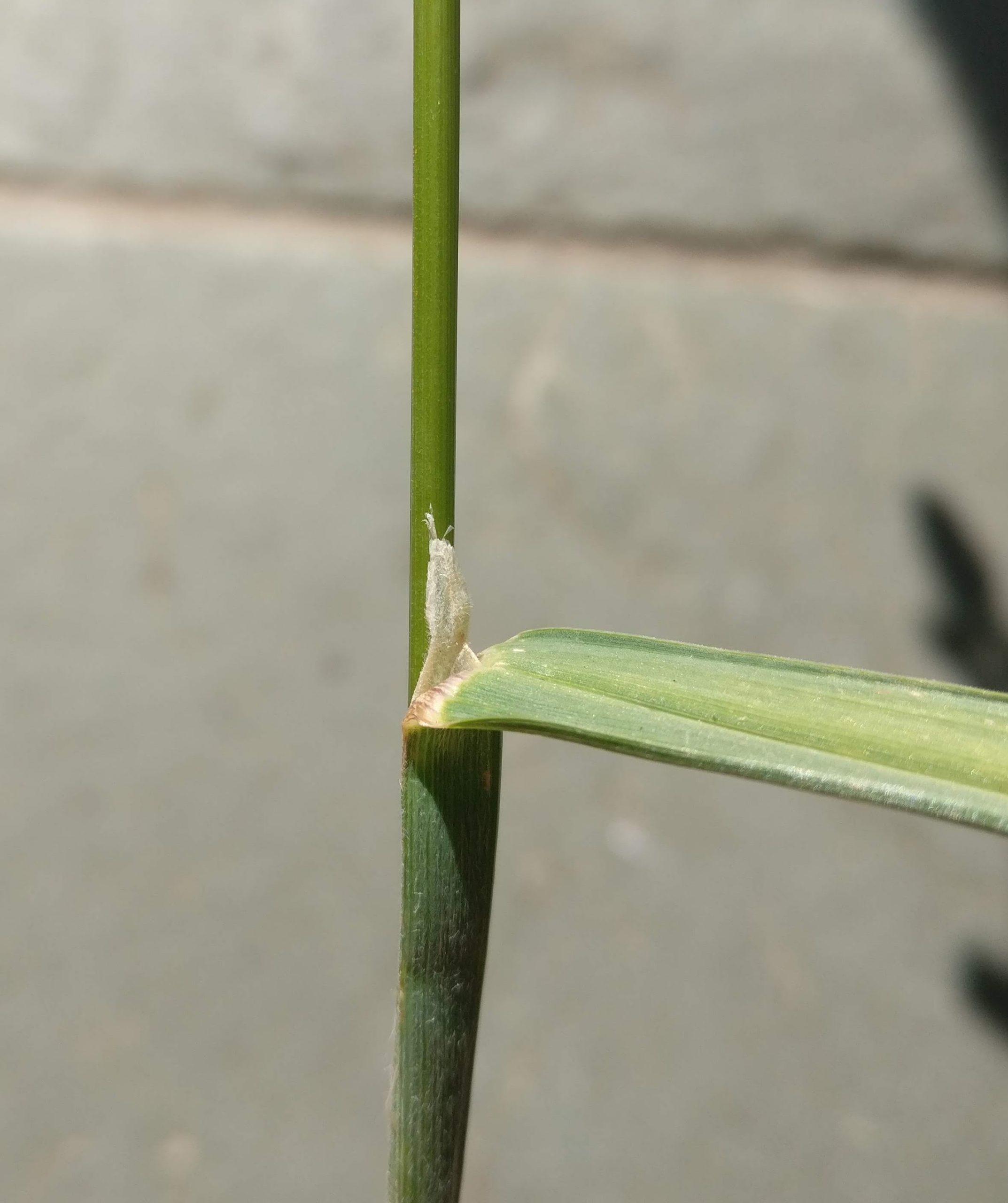
The ligule is quite large, membranous and bluntly pointed.
Before flowering its robust tufts of strongly compressed shoots with pale bases and keeled sheaths make it one of the easier to identify from its vegetative characteristics.
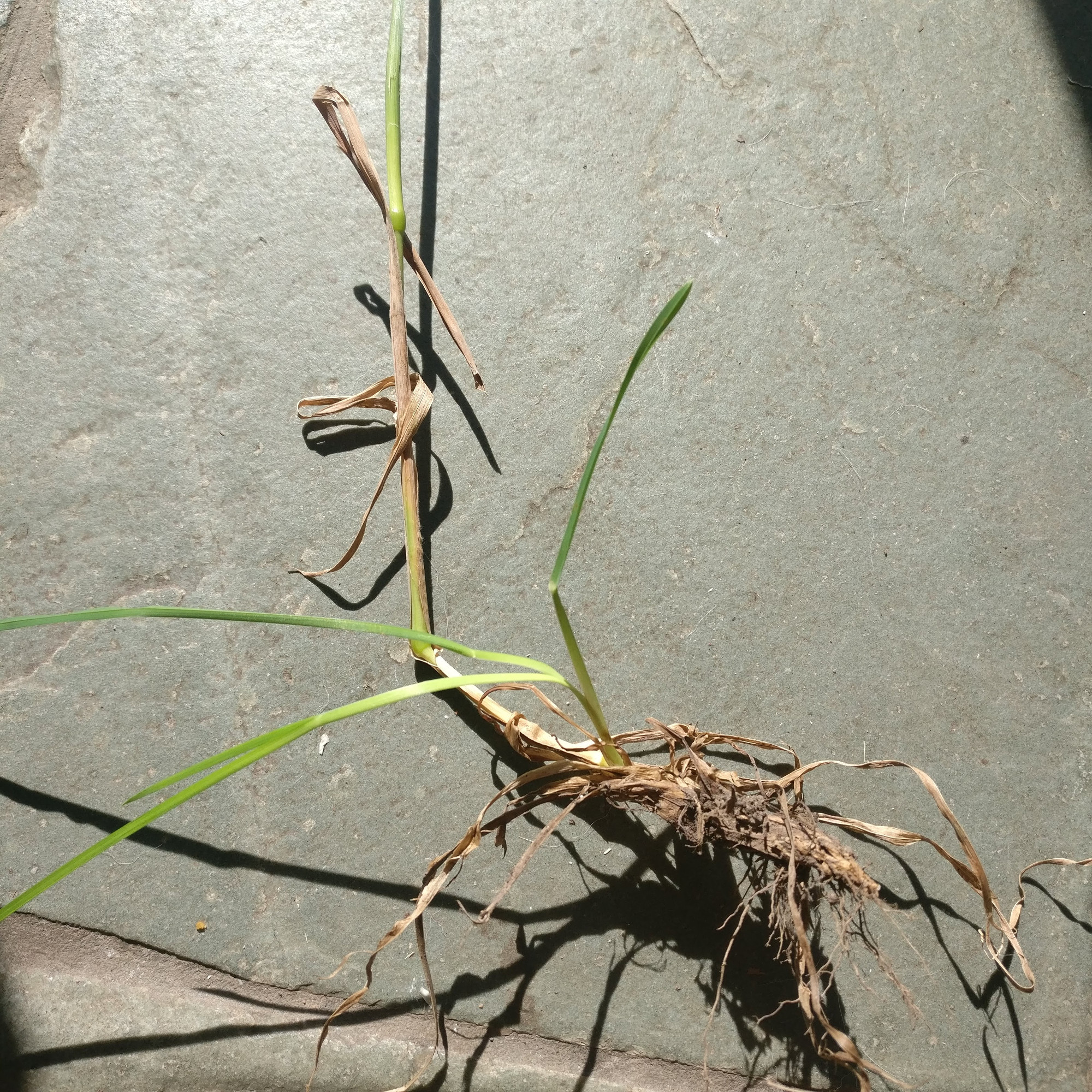
Although it’s a native plant it has been bred for pasture and re-introduced in many places, so finding a truly native population is almost impossible. C.E. Hubbard, one of the greatest grass botanists, thought that those on south coast headlands, in old oak and hazel woodlands and Lake District woodlands are the safest bets for truly native plants.
My favourite basic book for grasses (and also sedges and rushes) is Dominic Price’s A Field Guide to Grasses, Sedges and Rushes published by the Species Recovery Trust. The BSBI Handbook is definitely for grown-ups but eventually we all get there. Hubbard’s book is still popular and the key in the linked pdf from the BSBI (produced by Ken Adams) uses some of the key from Hubbard.
So get out there and enjoy discovering the grasses around you (unless you suffer badly with hay-fever, in which case I apologise and sympathise). They are often good indicators of the habitat quality and character. You’ll soon start to appreciate the ‘jizz’ of the different genuses and species without having to examine glumes and lemmas under the hand lens or microscope. Many of them are rather lovely.
*She didn’t really. In fact if she knew it would come as a terrible shock.