Monad recording with iRecord
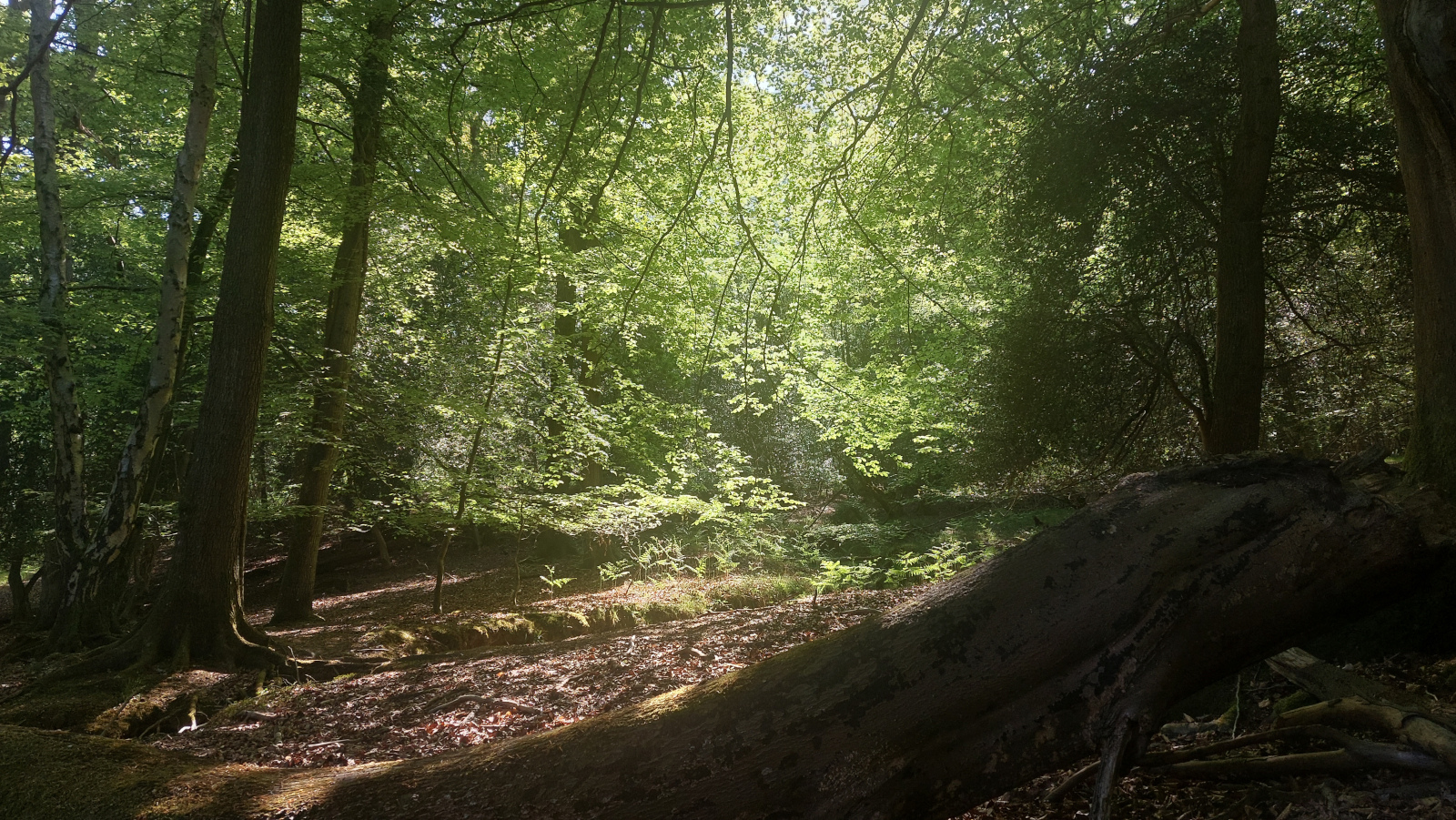
Inspired by Nevil’s blog post encouraging us all to get out and do some monad recording on our local patch, and by the imperative to use iRecord for our recording activities, I have been out exploring a small area that I have routinely walked for well over a decade. This is an area on the northern flanks of Ashdown Forest rising from about 100 m to nearly 180 m, and includes a variety of woodland, open heath, bogs, and streams. I started walking it regularly with my dog, adding a few bryophytes and vascular plants to the already extensive list that had been recorded here, and then experimenting with the BirdNet app to aid my identification of the many bird calls I heard on my walks.
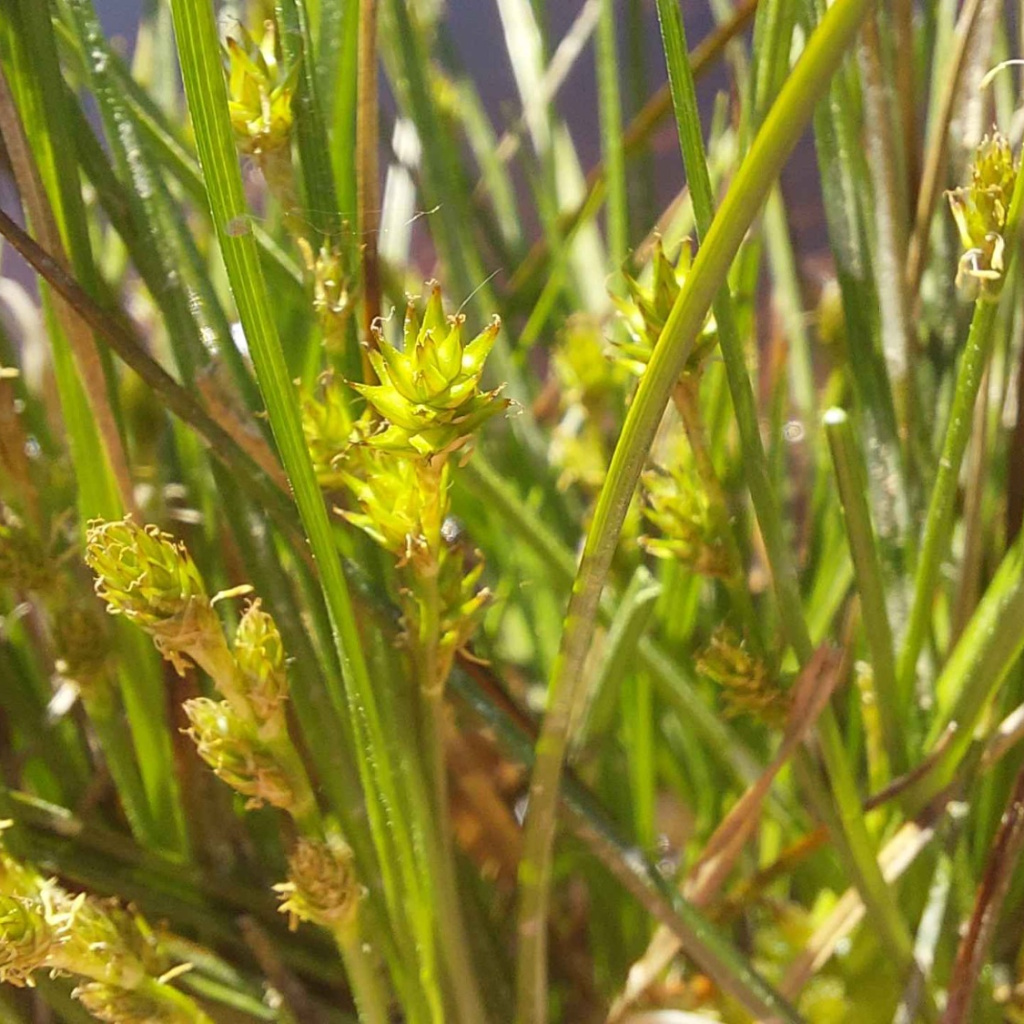
It is an area that I have got to know very well, and even now when our dog is no longer with us, it remains a fabulous place to explore, and record. Consequently, over the last month I have been out recording with iRecord as soon I find anything new emerging, and, at the same time, I have been assessing the effectiveness of the AI-based species identification within iRecord. This activity has also resulted in my noticing more populations of some species than I had previously suspected, such as the Melampyrum pratense (Common Cow-wheat) that is surprisingly prevalent on many of the path edges, and several small clumps of Carex echinata (Star Sedge) in damp woodland and heath, well away from the boggy area which contains masses of it.
Unsurprisingly, many species have emerged in the last week, with Juncus squarrosus (Heath Rush) popping up on a few of the rides in the forest, and Lysimachia nemorum (Yellow Pimpernel) dotted around the damp, shady parts of the woods.
Yesterday I crossed the bog for the first time in a week or so, and, though it is extremely dry as a result of the lack of rain, many of the typical species have already started to appear, most notably Drosera rotundifolia (Round-leaved Sundew) and Carex panicea (Carnation Sedge).
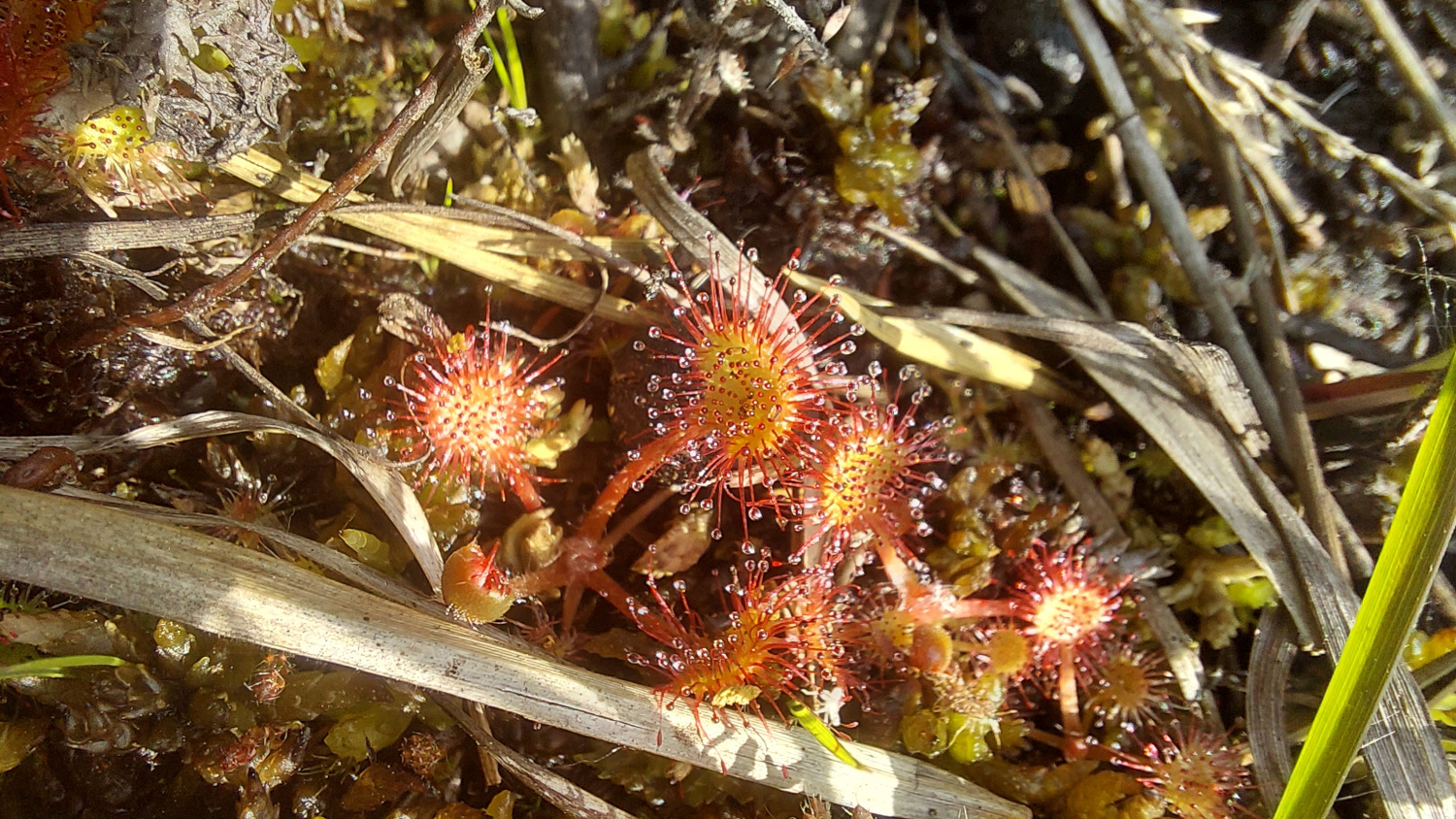
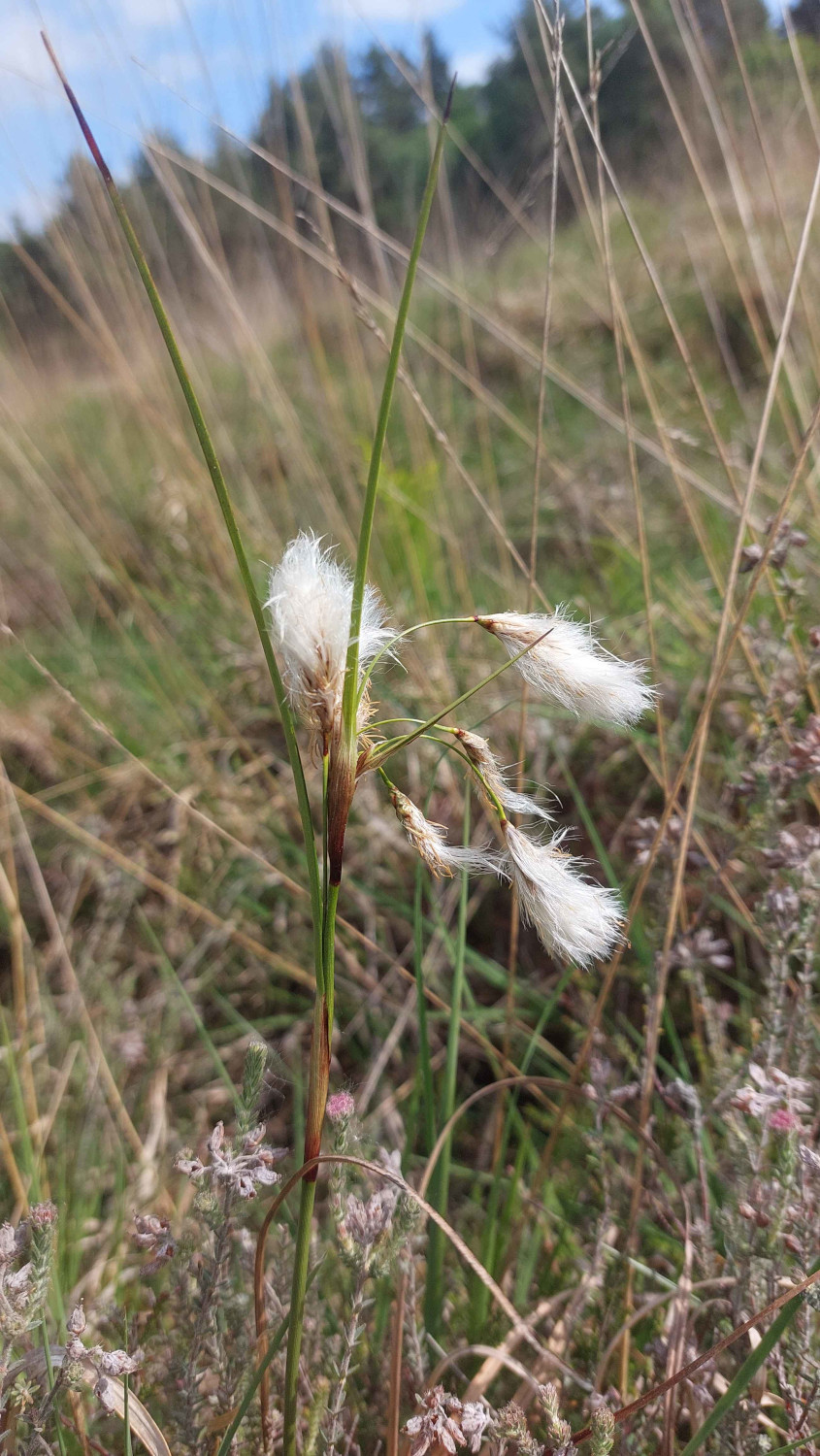
Interestingly, all of the species mentioned so far were accurately identified by iRecord from my photos. This was also true of the Eriophorum angustifolium (Common Cottongrass) that was also in the bog. The latter was especially interesting, as I don’t recall seeing it in the bog before, though admittedly I haven’t been systematic in my exploring of it over the years. There were just four spikes visible, and I don’t think it has been recorded in this monad before; earlier records in the SBRS data show it elsewhere in the tetrad, but not on this portion of bog. I’m wondering if its appearance might have anything to do with the grazing that took place in this area last year.
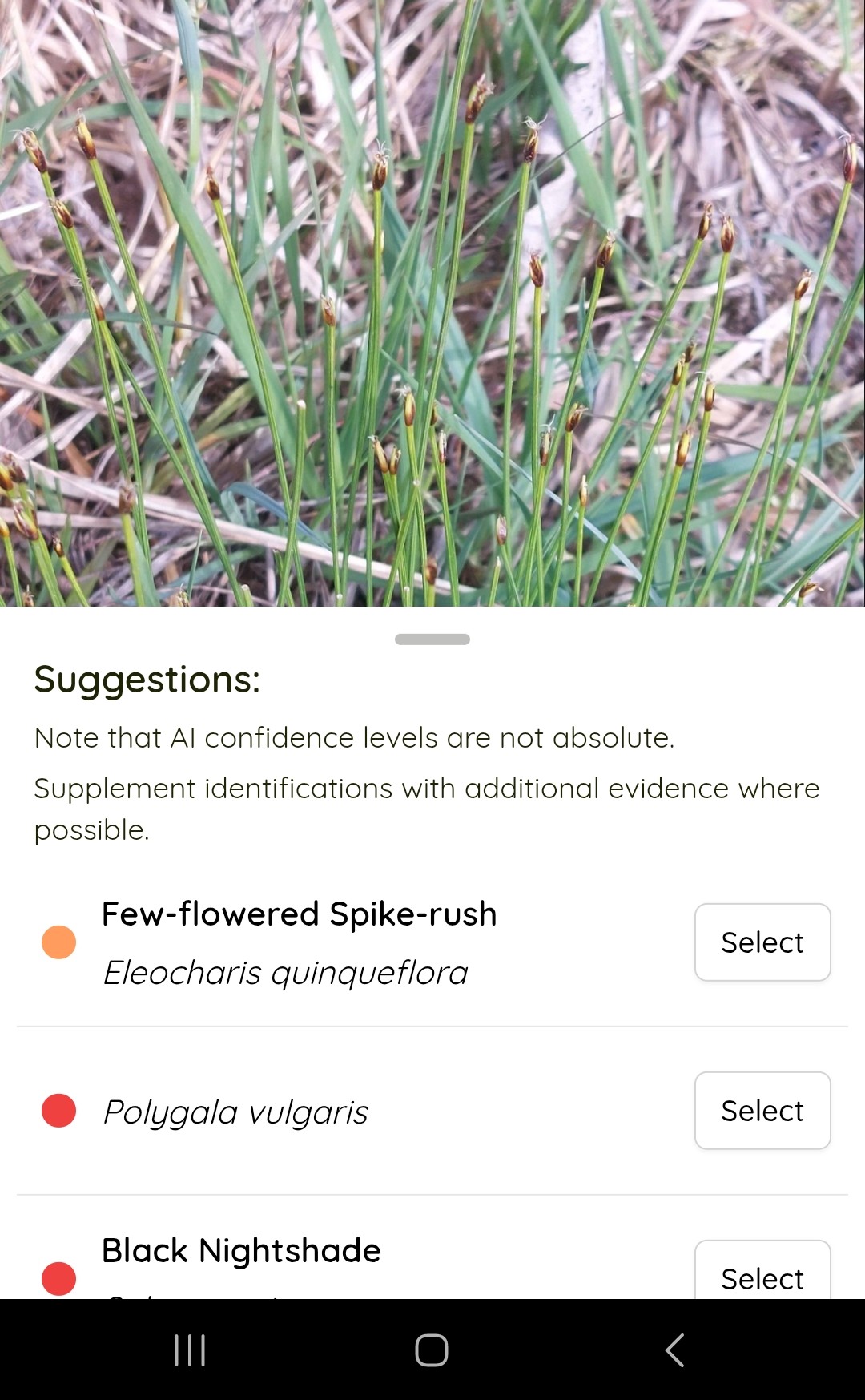
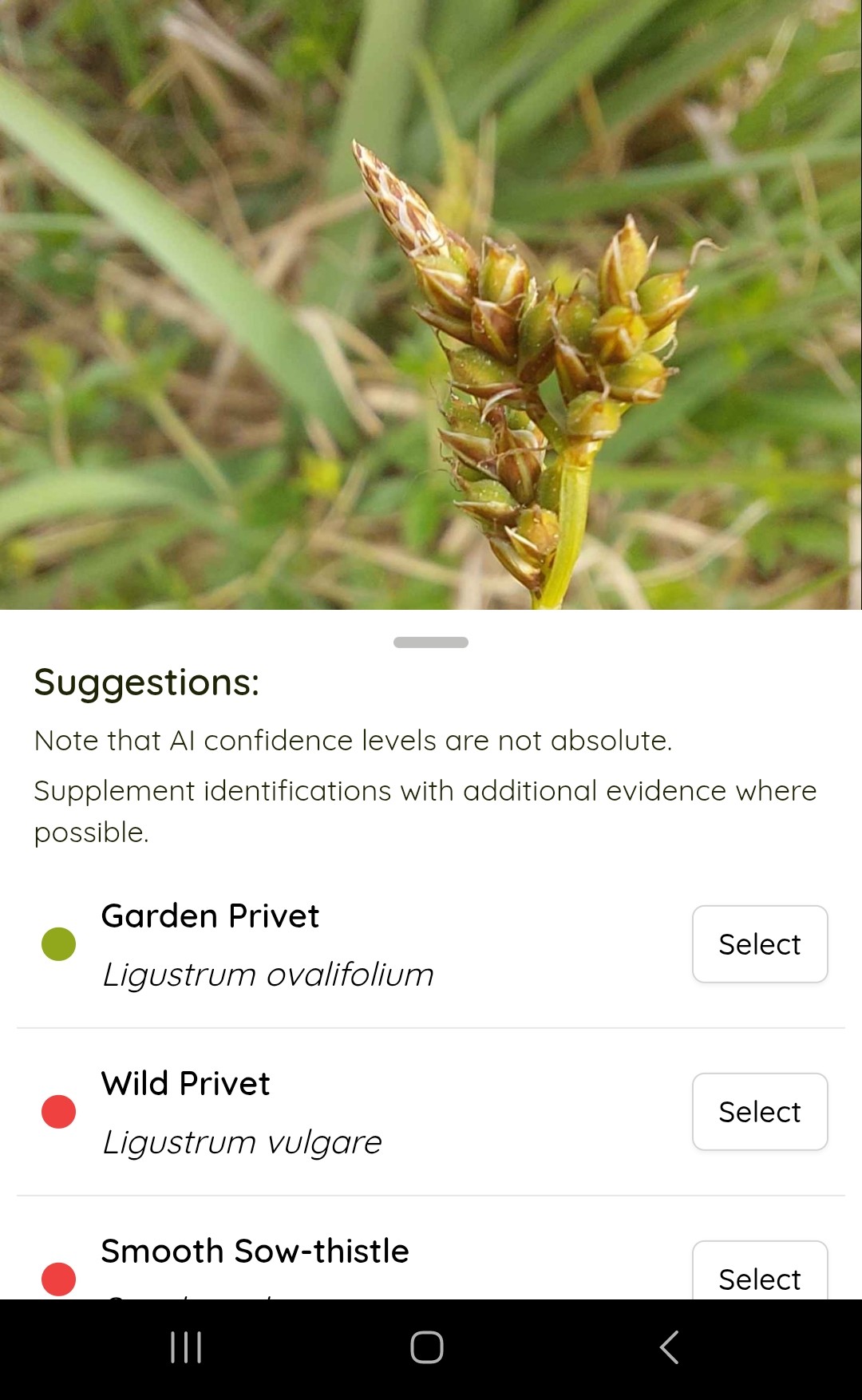
However, not all the iRecord auto-identification has been correct. Good photos are definitely a requirement, and some species are clearly more reliably identified than others, as you would expect. The presence of flowers helps, though is not always necessary, and grasses, sedges and rushes can prove tricky, as demonstrated when iRecord was presented with Trichophorum germanicum (Deergrass) and Carex pilulifera (Pill Sedge). Still, my take-home message is that everything should be checked in a Flora afterwards before submitting the records. Most of the time iRecord may well be accurate or at least close in its ID, but it can also be woefully wrong, even for common species. As with everything that is based on AI technologies, believe nothing, and verify it for yourself.
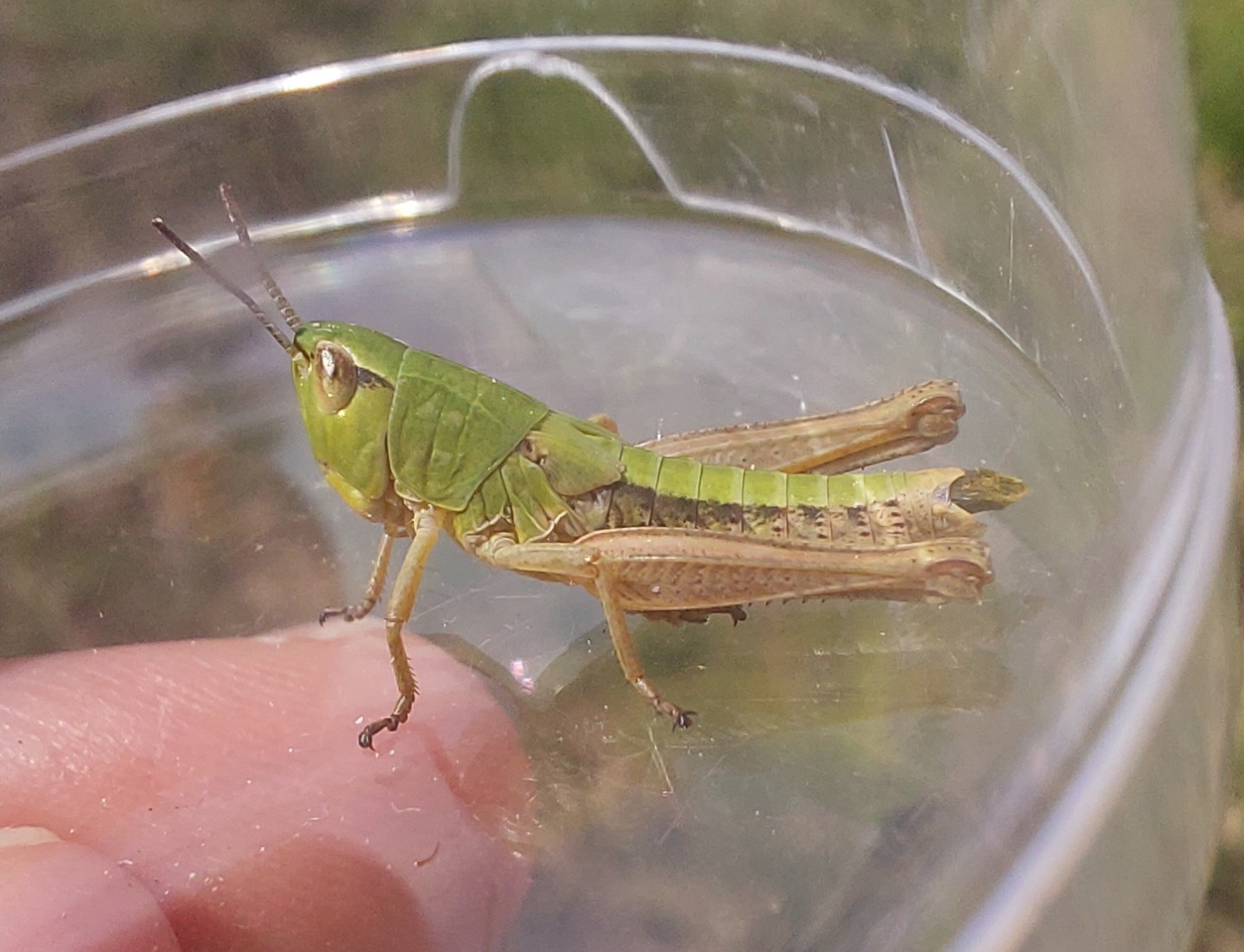
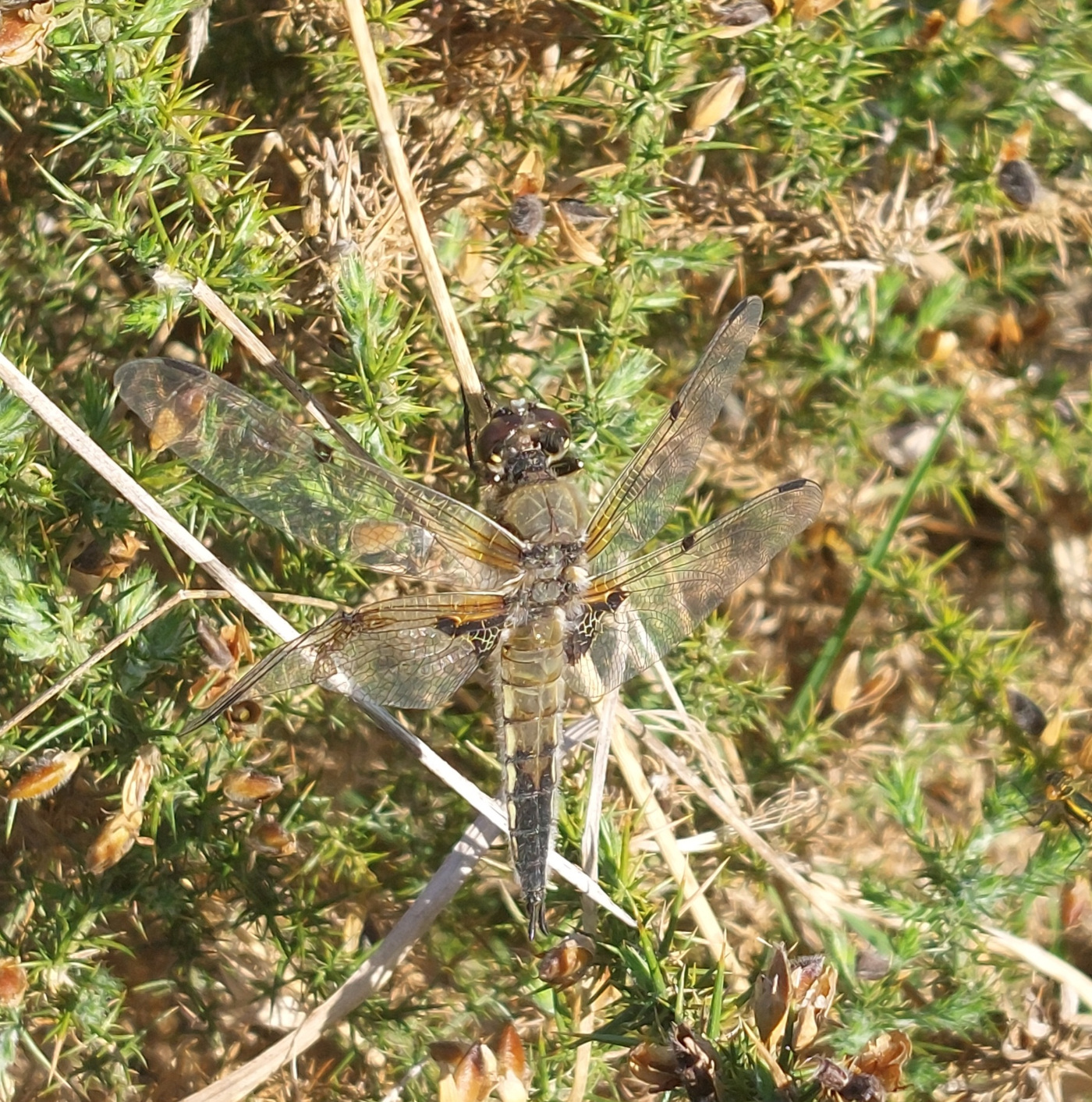
Finally, armed with iRecord, you no longer need to limit yourself to plants. If you can get some half-reasonable photos, why not record some other taxonomic groups too (once you have checked them)? The app does remarkably well with dragonflies, grasshoppers and moths (even micromoths, if you have an adequate macro lens on your phone), and appears to have accurately identified a sawfly from a fairly rubbish photo. Armed with iRecord, I have now seen many species locally that had previously passed me by.