Adur Estuary
Meeting date: 24 September 2023
(Leader: Sue Denness)
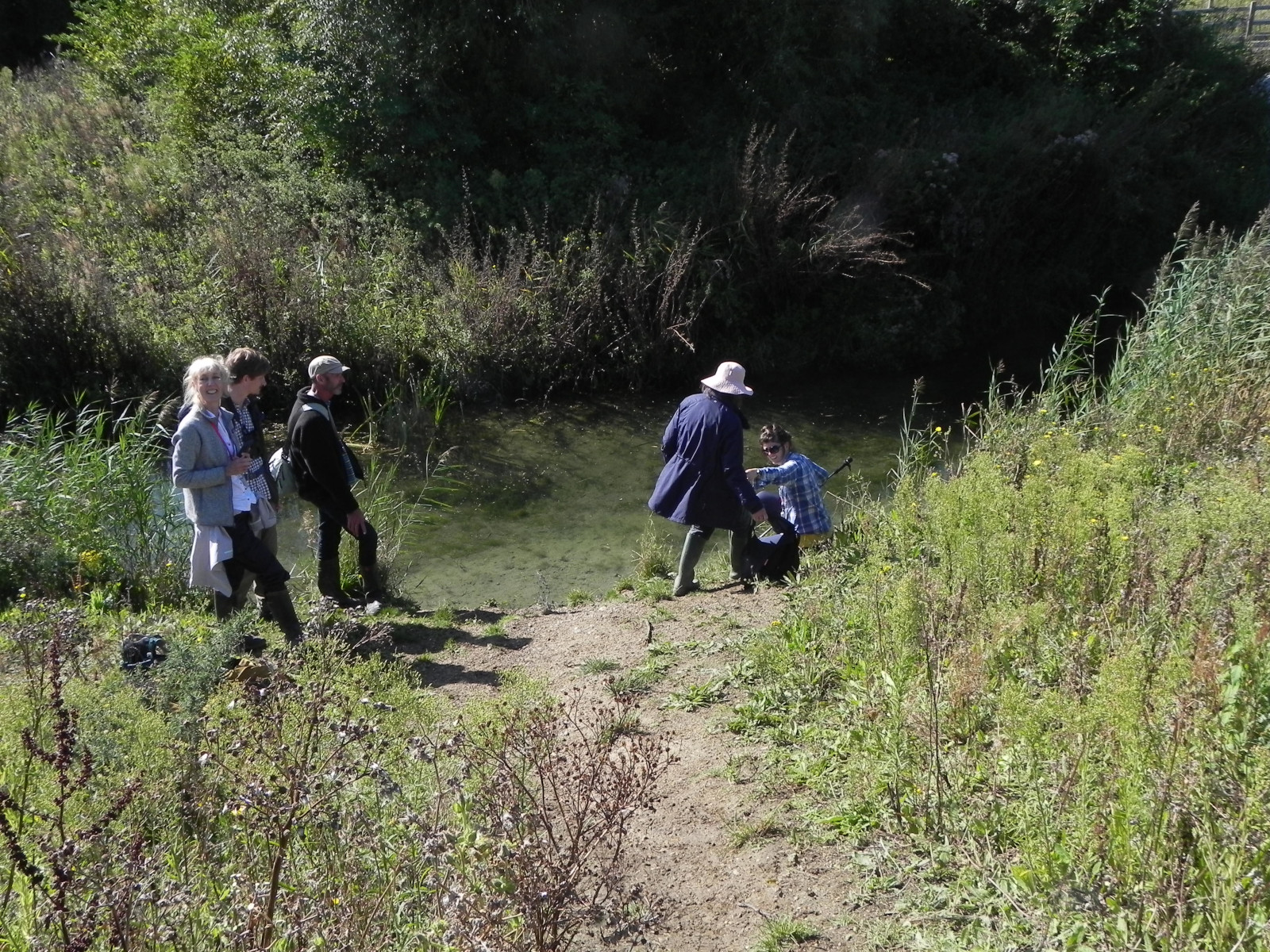
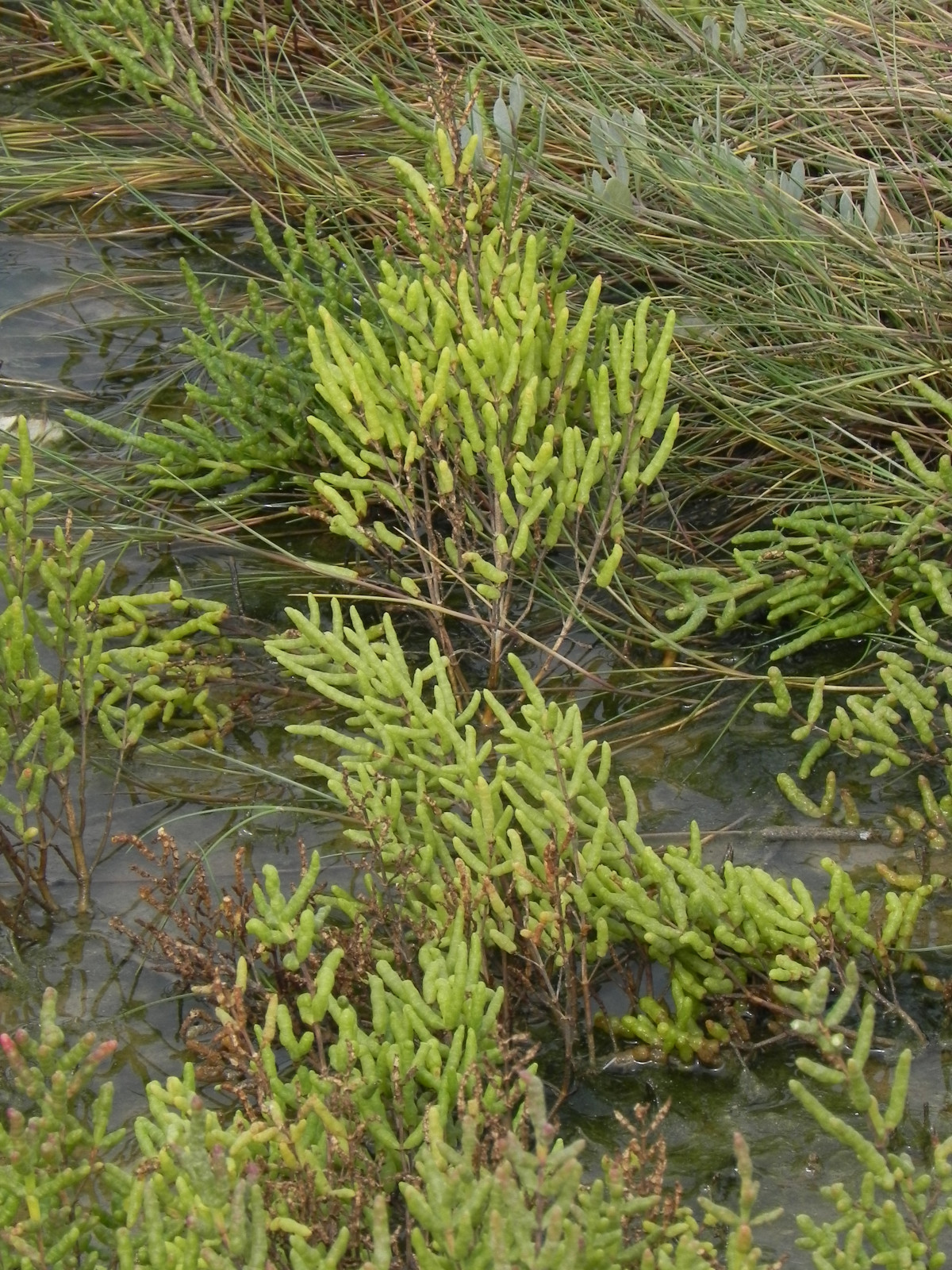
Eighteen members met at the Adur Recreation Ground car park on a bright, sunny morning to record along the west, then east side of the Adur Estuary in TQ20C. On the path from the car park, the first plant of interest was a huge specimen of Armoracia rusticana (Horse-radish). Early finds after scrambling down the banks were Atriplex glabriuscula (Babington’s Orache), Plantago maritima (Sea Plantain) and Limbarda crithmoides (Golden-samphire). The group then tackled the glassworts, which were most abundant on the salt marsh north of the railway bridge. The perennial Sarcocornia perennis (Perennial Glasswort) was easily recognised, then the Salicornia species presented a steep learning curve for some of the group and the chance to share knowledge by the more experienced members. There were extensive amounts of S. ramosissima (Purple Glasswort) together with S. dolichostachya (Long-spiked Glasswort), and S. fragilis (Yellow Glasswort). On the drier areas we were pleased to see many plants of Artemisia maritima (Sea Wormwood). Looking out into the estuary, in areas too deep to go, there were extensive stands of Tripolium pannonicum (Sea Aster).
Lunch was taken by the pumping station, with a view across the estuary towards Truleigh Hill. The water flowing into the estuary here provided us with Samolus valerandi (Brookweed) and on a drier area Polypogon monspeliensis (Annual Beard-grass). By the new path, up to the wooden bridge, was a sea of Erigeron sumatrensis (Guernsey Fleabane) and E. floribunda (Bilbao’s Fleabane) amongst which Sison segetum (Corn Parsley) was found. A freshwater ditch then attracted the attention of Victoria, quickly followed by Frances, as a Stonewort was found. Frances later confirmed this as Chara vulgaris (Common Stonewort). Zannichellia palustris (Horned-pondweed) was another aquatic find here. By the old wooden bridge, by which we crossed the estuary, were Datura stramonium (Thorn-apple) and Setaria viridis (Green Bristle-grass), the latter confirmed by Tony Spiers. The saltmarsh was less extensive on the east side but Crithmum maritimum (Rock Samphire) was found on the rocky path. Passing under the rail bridge was a scrambling mass of Lycium barbarum (Duke of Argyll’s Teaplant). A total of 130 species was recorded on the day.