
Author: Brad Scott
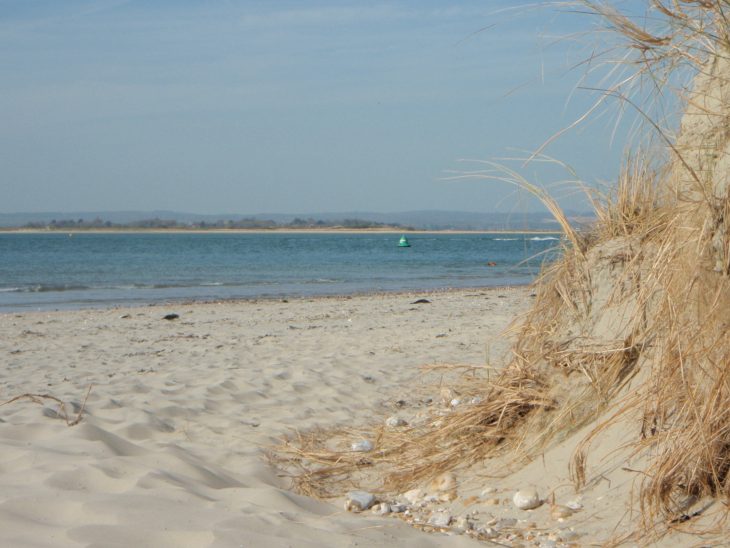
Meeting at East Head, 13 July
If you are interested in coming along to the field meeting at East Head, West Wittering on Wednesday 13 July, and would like to make use of the offer of […]
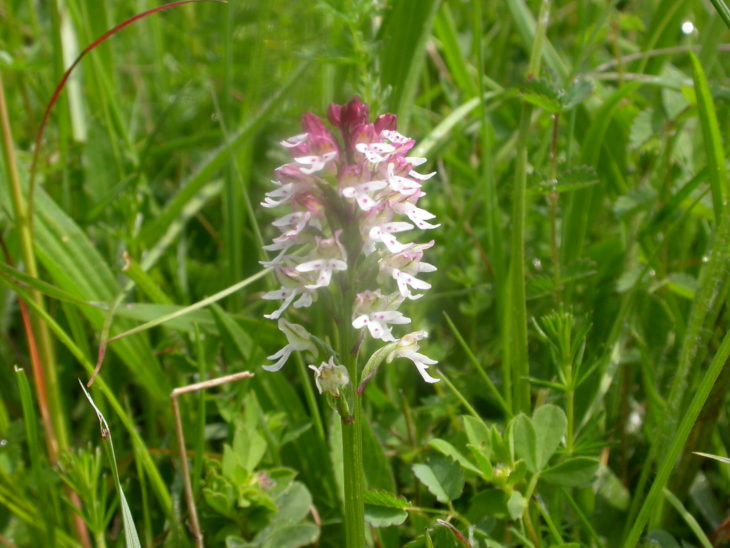
Searching for a Neotinea in a haystack
Sussex is one of the few counties to contain populations of Neotinea ustulata (Burnt Orchid). It is a plant of chalk and limestone regions though has suffered a dramatic decline […]
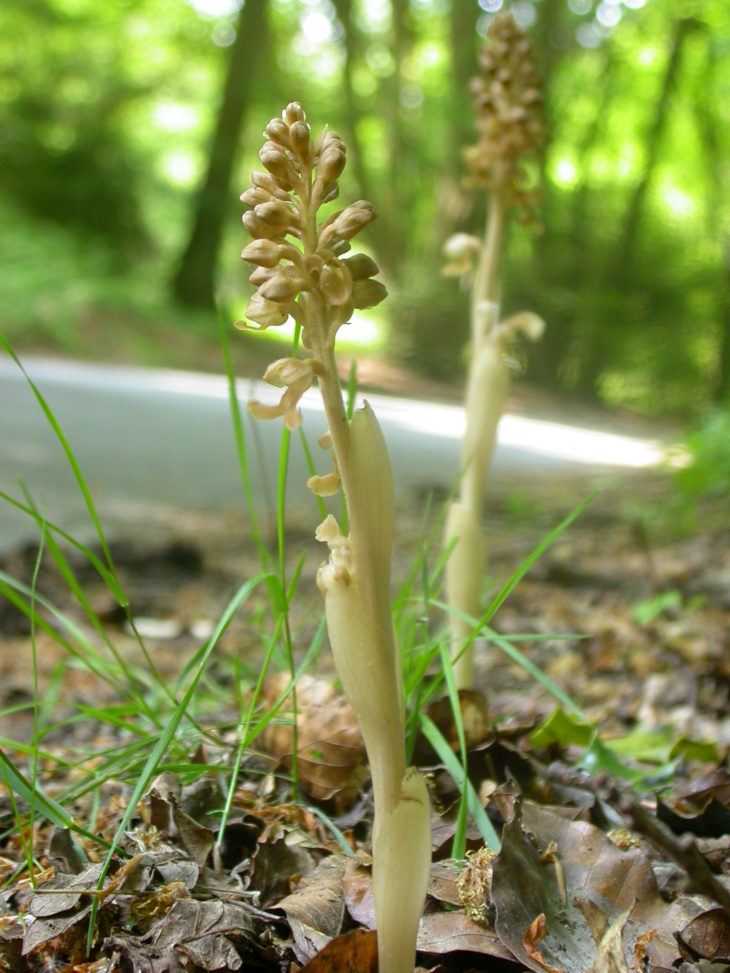
Bird’s-nest Orchid in Ashdown Forest
Two spikes of this rather beige plant are now visible at the known site on Ashdown Forest. Both its common and scientific names refer to the supposedly nest-like appearance of […]
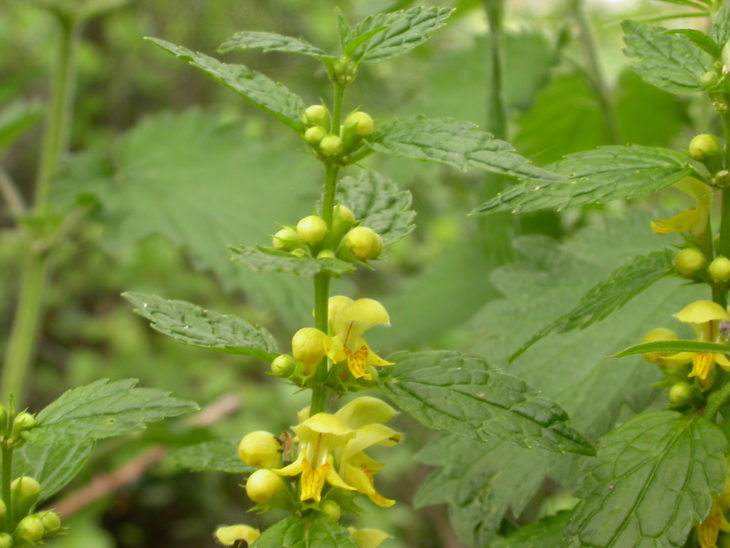
A corner of TQ54 that is forever Sussex
The little hook-like shape in the middle of the northern boundary of Sussex is in Withyham parish and is where the hamlet of Blackham borders Kent. The most northerly 300 […]
The Scotney field meeting on Twitter
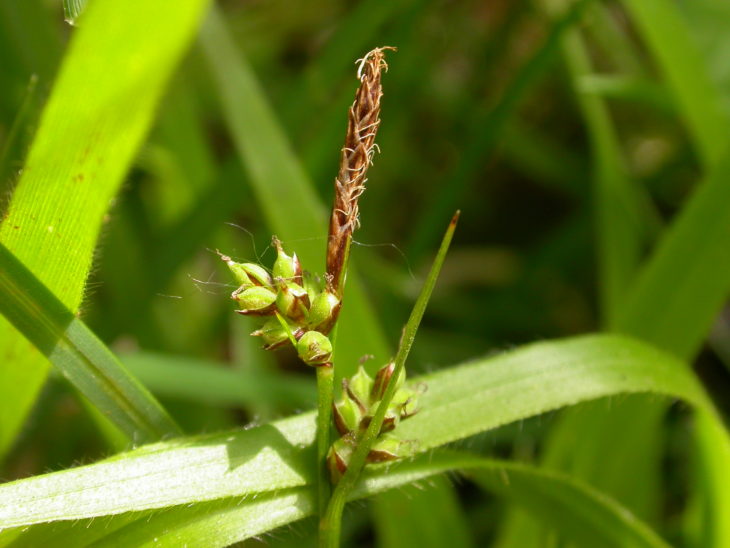
The field meeting on 15 May was the annual joint meeting of SBRS and our Kent colleagues. As ever, the site was chosen so it straddled two vice counties, one […]
Remaining churchyards to survey, and latest sightings
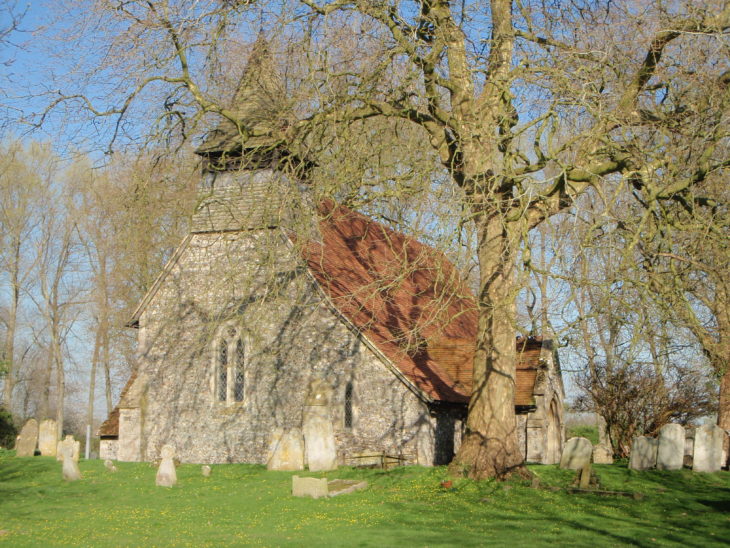
The project to survey the churchyards of Sussex is proceeding well, and many members have signed up to record several of their local spots. However, there are still 24 East […]
Borderland carr
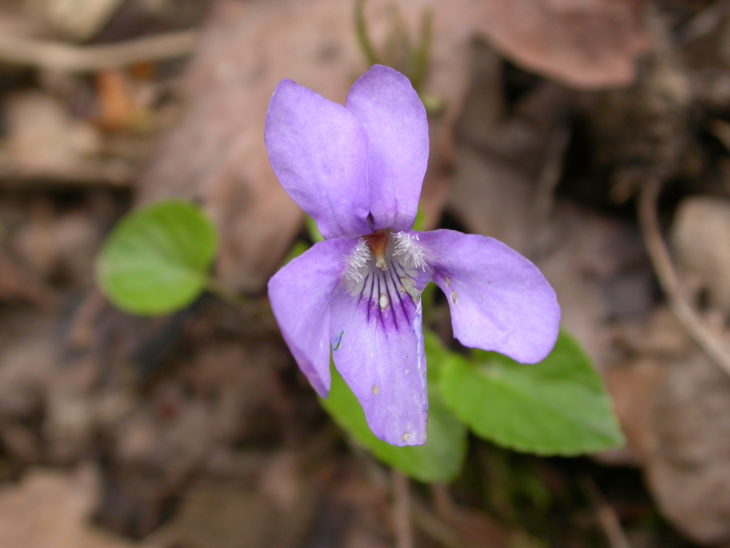
Looking at the map I noticed that Forest Row just cuts into the hectad TQ44 and, though there might only be a couple of hundred square yards of Sussex in […]
New Excel record card and churchyards not yet adopted
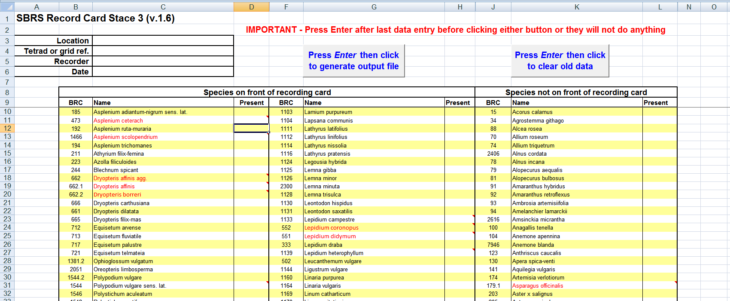
The Excel record sheet has now been updated, and a note indicating the changes is available. These can be downloaded from the Recording page. In addition, the instructions for the […]
The new website
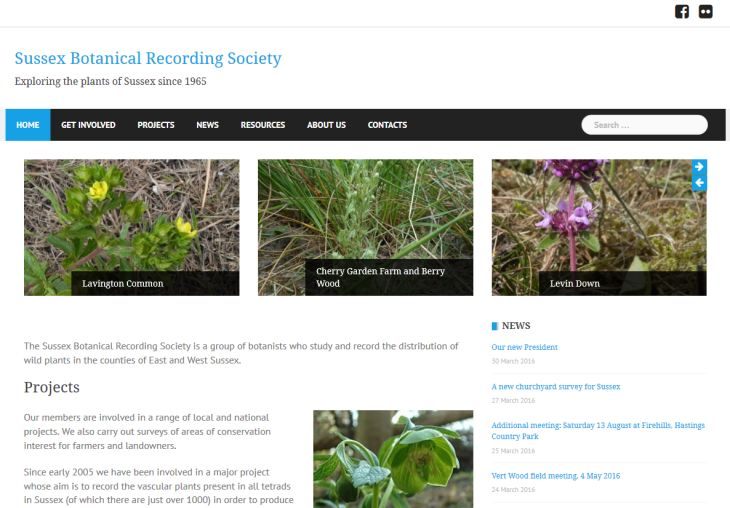
Regular visitors will have noticed that the website has been substantially updated. While most of the old content is still here, it has been restructured and new features such as […]
Midland Hawthorn in Forest Row
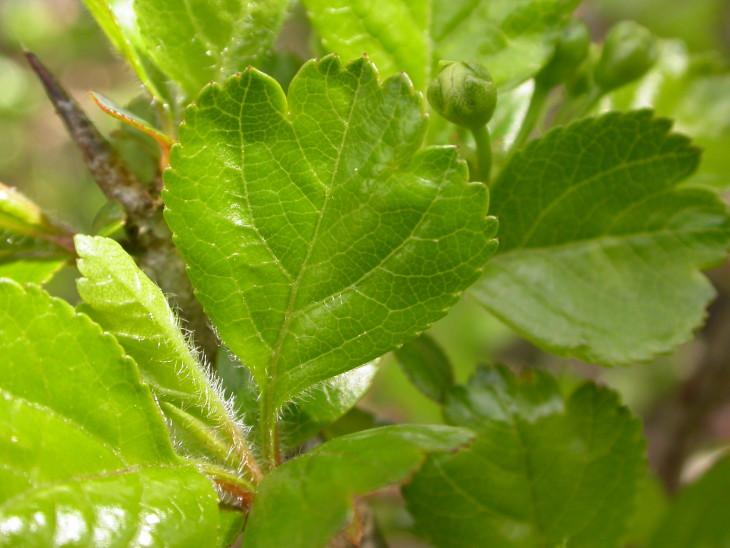
Until I read Jean Byatt’s article on hawthorns in a past issue of the Newsletter I hadn’t realised that there were two native hawthorns in the south east, so I […]