
Local Wildlife Site surveying opportunities
Sussex LWSI is looking for one or two new volunteers to join their trial volunteer
survey programme in 2026.
Many SBRS members are likely to be familiar with the existence of Local Wildlife Sites (LWS) and their role within the suite of site designations which act to protect nature. Sussex has around 660 LWS, covering 5% of the county and encompassing a wide variety of special habitats.
One of the main activities of the Local Wildlife Sites Initiative is to manage a rolling programme of site survey. Guidance issued by Defra in 2006 set a target interval between surveys of 5 – 10 years. In practice, the Sussex LWSI lacks the resource to achieve even the 10-year survey cycle. There are around 300 LWS which have not been surveyed in at least 15 years and many not since their original designation.
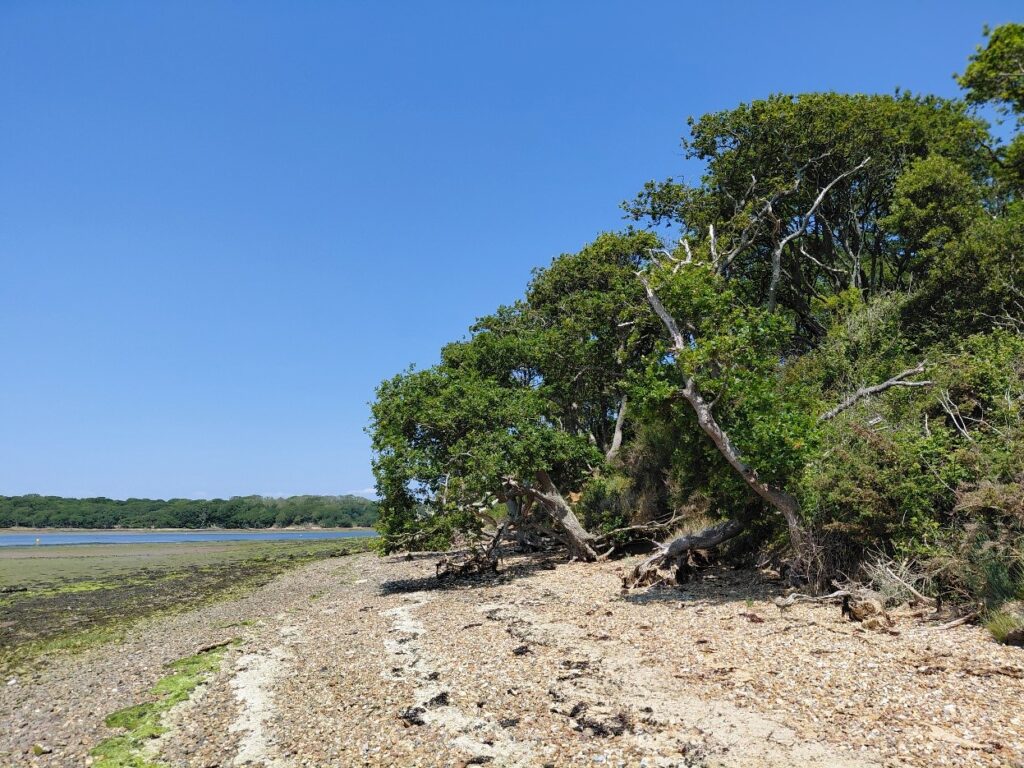
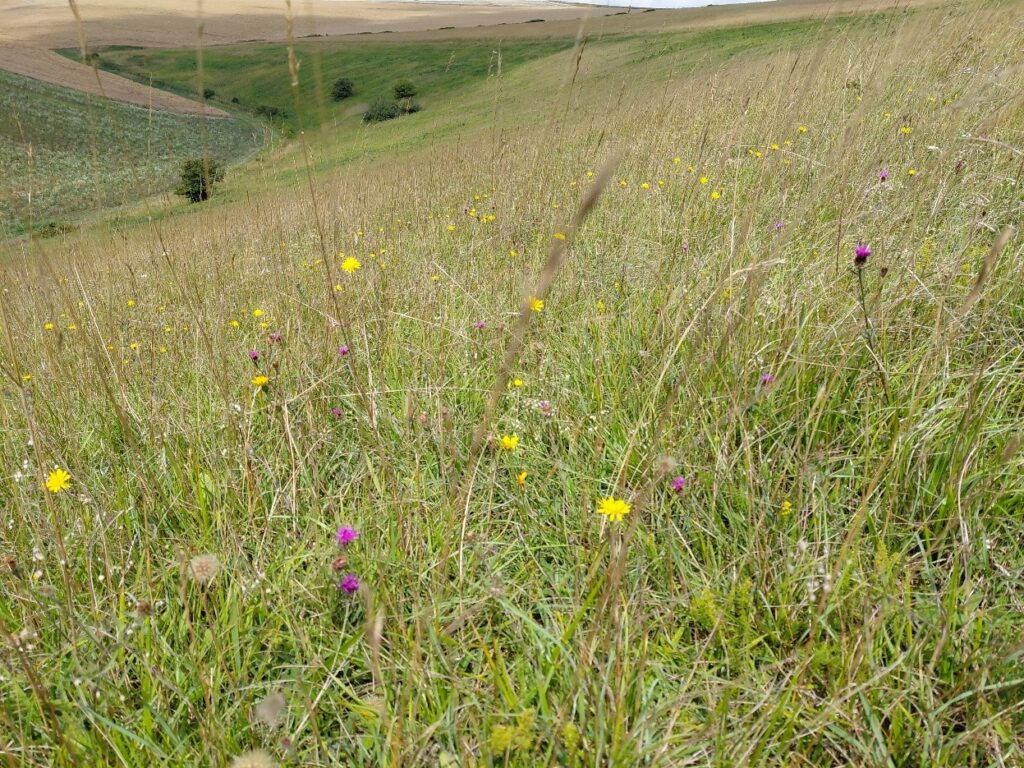
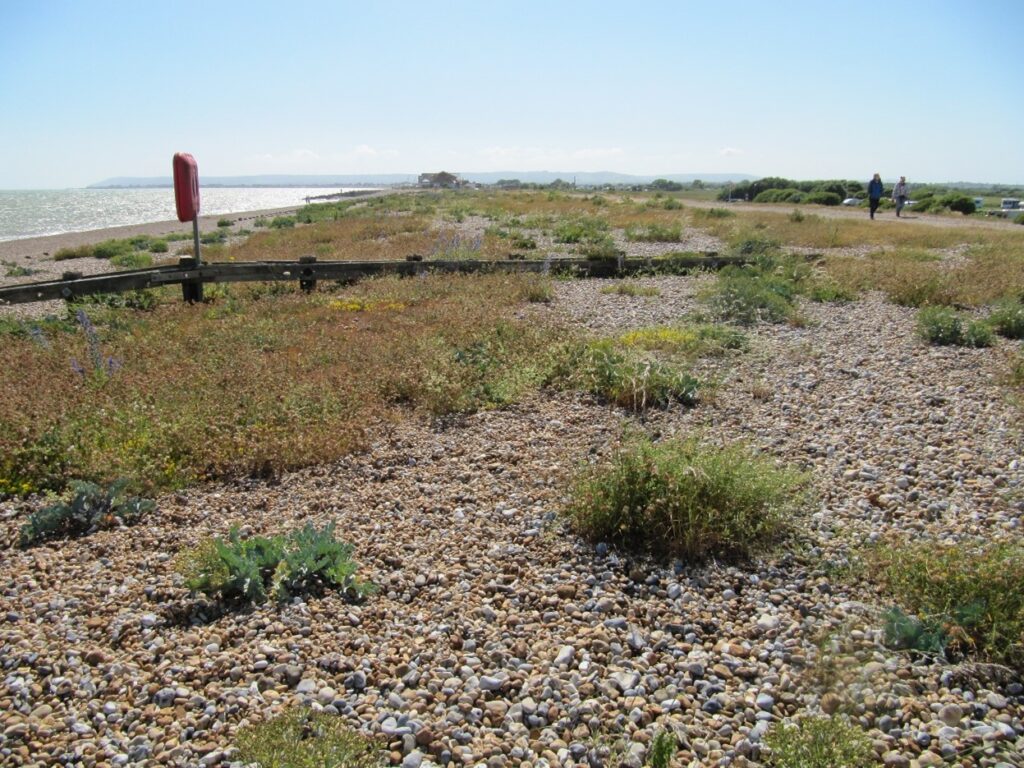
To increase the number of site surveys conducted, Sussex LWSI is trialling volunteer surveys. They need experienced botanists able to produce representative plant lists for a site on which to base an assessment of the habitats present and their condition. They think this could be an attractive opportunity for anyone with the right skills: Sussex is blessed with a diversity of habitat and the 660 LWS of Sussex reflect this. They can offer the chance to survey anything from ancient woodland to chalk grassland to vegetated shingle and other habitats besides. LWS are spread across East and West Sussex, and Brighton & Hove, and many are on private land allowing surveyors to visit places not open to the general public. Best of all, surveyors contribute to a crucial evidence base through the data they collect and thereby help to support the positive conservation management of valuable sites for nature across Sussex. They are not expecting any volunteers to survey more than one site a year, but are very keen to find people who would be interested in being involved over a number of years.
What would a volunteer survey involve?
LWSI volunteer surveyors would undertake a walk-over botanical survey of an LWS to assess its habitats according to UKHab or NVC classification. Using a standardised in-field survey form via an app provided by LWSI, data collection would consist of plant species lists with coverage or frequency estimates, in-field assessments of habitat types present and supporting notes and photos on management, condition and surrounding environment. Using these field notes, LWSI would produce a draft report and a site habitat map for review by the volunteer surveyor prior to finalisation.
If this sounds interesting, please contact Sussex LWSI at
lws-sussex@sussexwt.org.uk or swtvolunteering@sussexwt.org.uk.