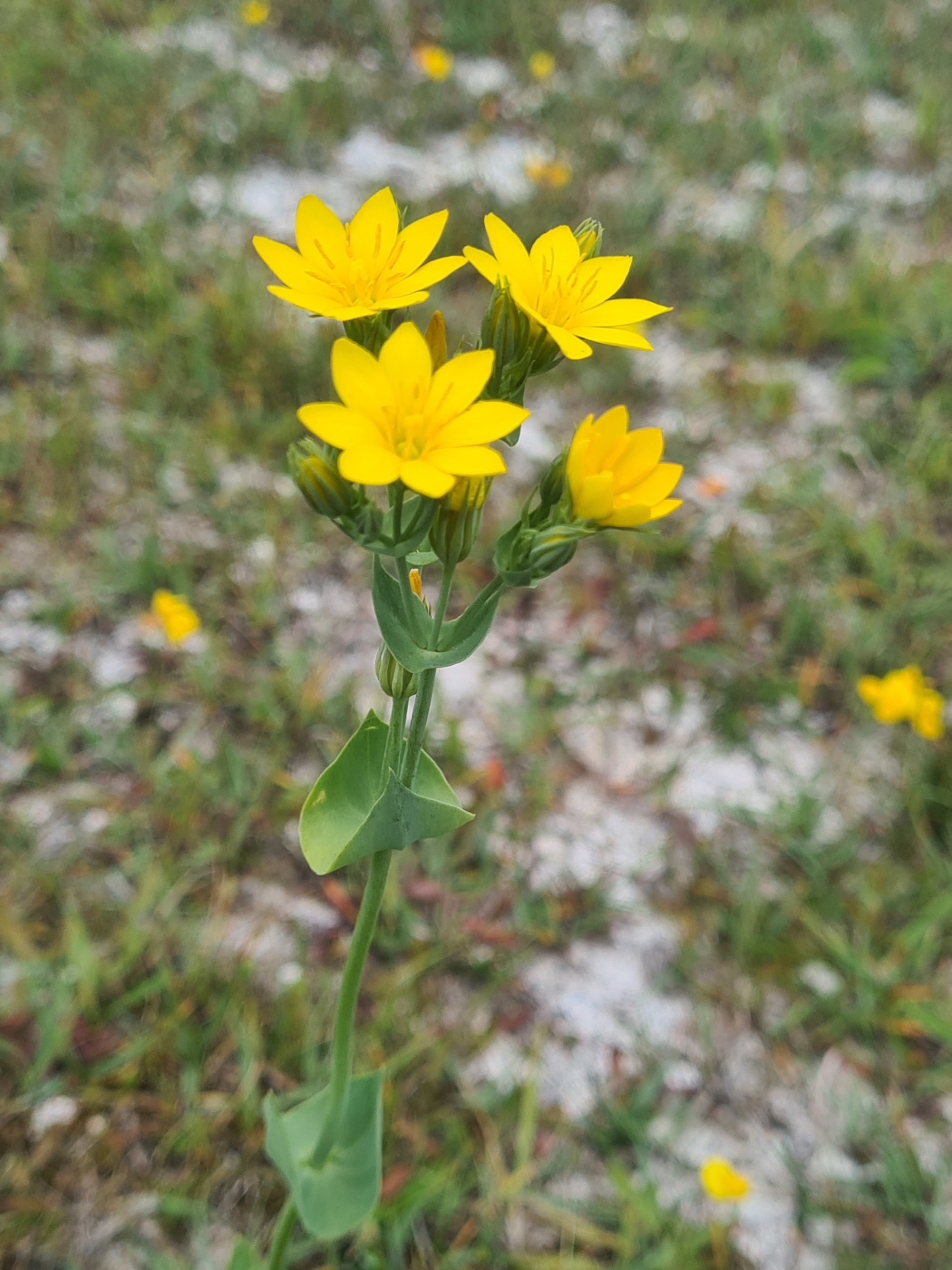
Cocking Chalkpit

Meeting date: 27 June 2024
(Leader: Paul Whitby)
Paul’s note for the meeting read ‘A very old chalk quarry, owned by the Cowdray Estate, now gradually being recolonised by calcareous flora. We expect to find some good chalk flora, including Anthyllis vulneraria (Kidney Vetch) and Helianthemum nummularium (Common Rockrose). It’s also a good spot for small blue butterflies!’
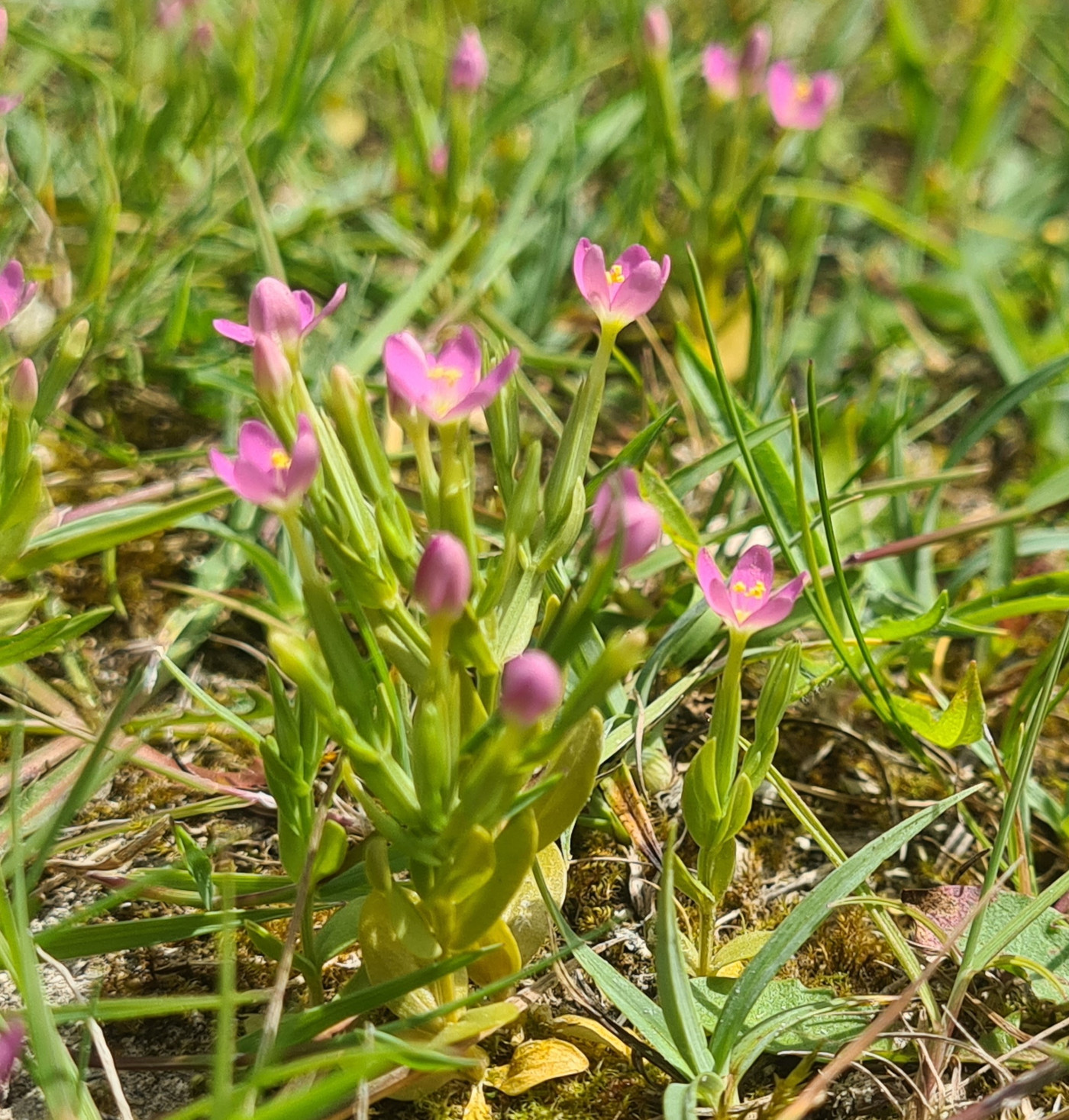
All this was, of course, revealed to an appreciative midweek party of six and we did indeed manage to see one Small Blue among the swathes of Anthyllis. Otherwise, the butterflies and the insect life in general on this warm and sunny day were scarce, conforming with the disturbing picture of the first part of the summer this year. The plants, however, did not disappoint and the party explored the shelves and terraces, at length descending to the floor of this large and relatively shallow quarry. There was evidence of the copious rain in the form of large stands of Juncus articulatus (Jointed Rush). Centaurium pulchellum (Lesser Centaury) was spotted, along with most of the calcicoles anticipated including Carlina vulgaris (Carline Thistle), Gentianella amarella (Autumn Felwort), Scabiosa columbaria (Small Scabious) and the shrub Rhamnus catharticus (Purging Buckthorn). There was a good range of grasses with Catapodium rigidum (Fern-grass) on bare chalk. But the prize for those of us from the West was the population of Clinopodium acinos (Basil-thyme), its sky-blue flowers dotting cliff edges and accumulations of chalky grit on the quarry floor. We lunched with a wonderful view out over the western Weald and then spent a further happy hour adding species to the card gleaned from the grassier and scrubby areas.

We are very grateful to Paul for arranging the visit to this private site: he is one of a number of professional ecologists who have joined the SBRS and are enriching our experience by securing access to rewarding field meeting venues.