Ashdown Forest
Meeting date: 11 September 2021
(Leader: Brad Scott)
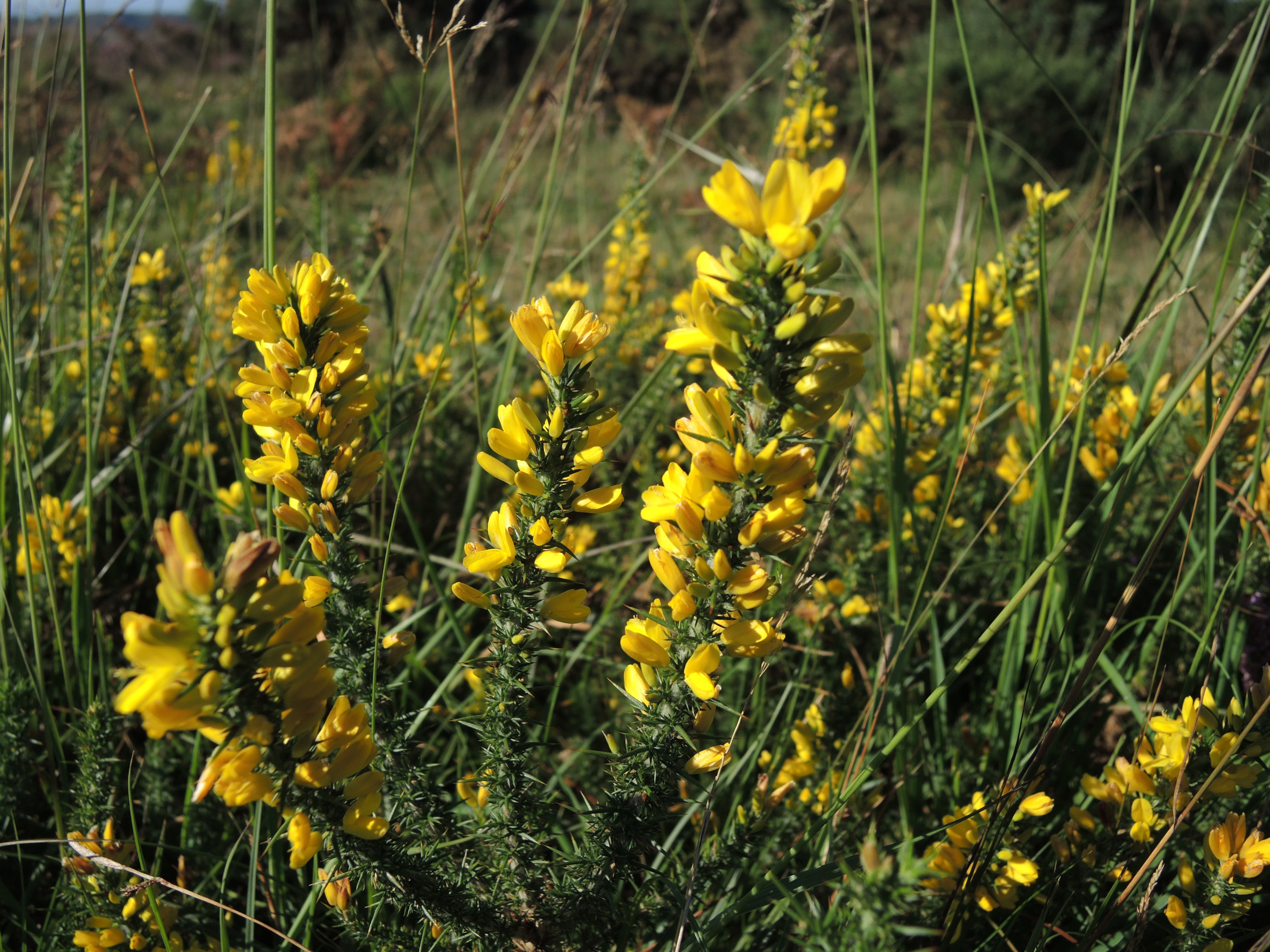
As a party of twelve gathered at Bushy Willows car park I wondered how many of the group realised that my suggestion of a field meeting that would focus on boggy places was an attempt to introduce the attendees to some bryophytes alongside their larger, vascular relatives. Such indoctrination was all very low key of course, and we focused to begin with on the classic heathland plants, the Ericaceae, Ulex minor (Dwarf Gorse) and the grasses: Molinia caerulea (Purple Moor-grass), Danthonia decumbens (Heath-grass), and Nardus stricta (Mat-grass).
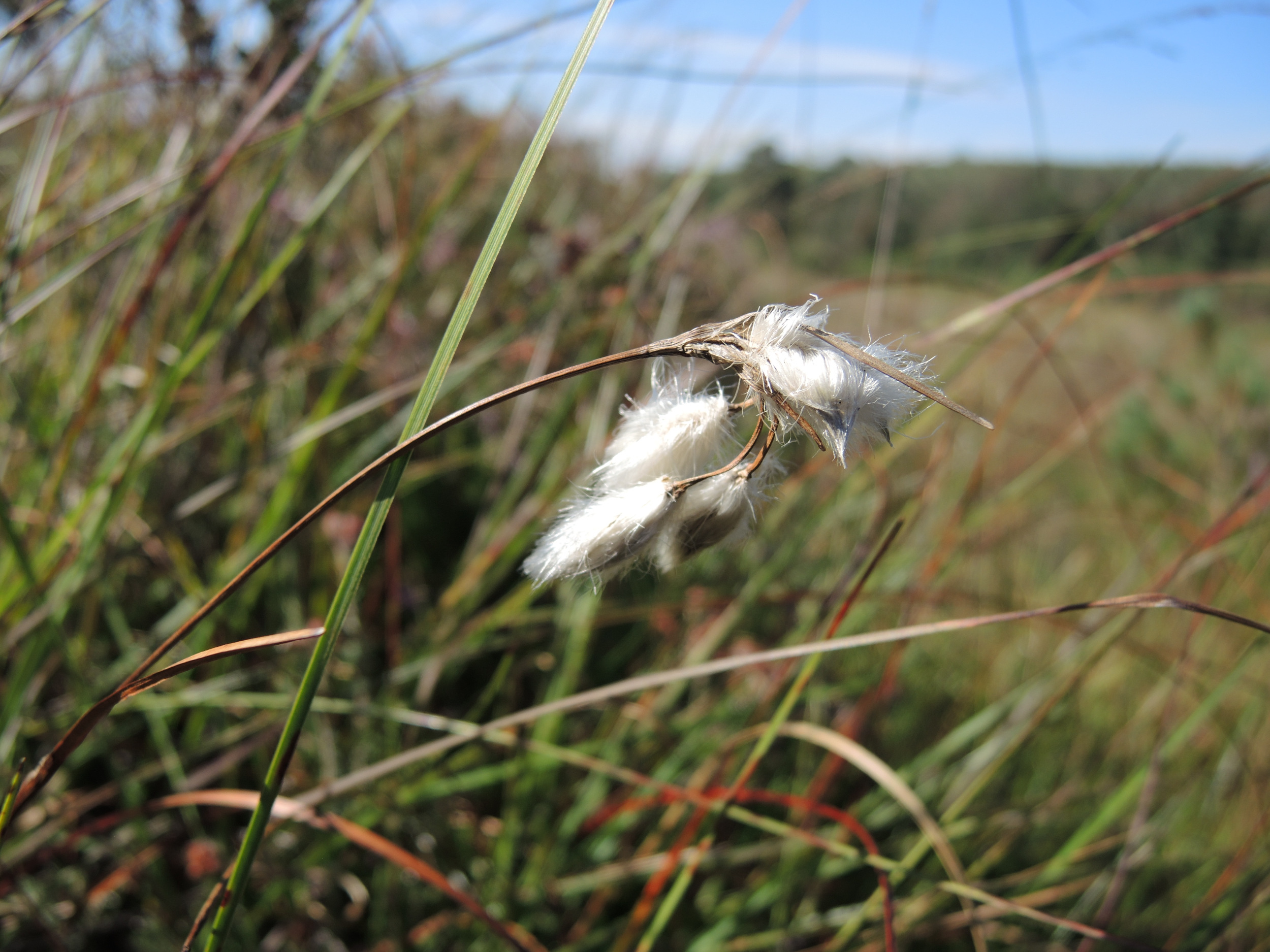
As we headed over towards the wetter areas adjoining Old Lodge the group recorded a range of sedges and rushes, particularly noting the glaucous leaves of Carex panicea (Carnation Sedge), the fruits of Juncus squarrosus (Heath Rush), and the distinctive spikiness of Carex echinata (Star Sedge). Finally amongst the bog, not only was there the occasion to enjoy the wine-red elegance of Sphagnum rubellum, and the red-green tones of the rarer S. subnitens, but also to see a number of vascular plants which are limited to relatively small parts of Sussex. These included Trichophorum germanicum (Deergrass), Drosera rotundifolia (Round-leaved Sundew), Narthecium ossifragum (Bog Asphodel), and the wisps of Eriophorum angustifolium (Common Cottongrass). This area also provided an interlude in which a few animals caught our attention, most notably the Vipera berus (Adder) disturbed by Ruth, as well as the brightly-coloured larva of Ceramica pisi (Broom Moth), and the paper-thin larval cases of one of the Coleophora moth species on the seeds of Juncus conglomeratus (Compact Rush). Among the Molinia, one or two tiny plants of Salix repens (Creeping Willow) were barely visible. The wetter areas brought us mats of Potamogeton polygonifolius (Bog Pondweed), and the splendid Rhynchospora alba (White Beak-sedge) in one of its most south-easterly sites in the UK.

After lunch, David led us to the second boggy area, which used to be relatively easy to find as it was fenced off to protect the Dactylorhiza incarnata (Early Marsh-orchid). The enclosure itself has now gone, and we were of course much too late for the orchids, but the area still offered us some additional and relatively unfamiliar species: Anagallis tenella (Bog Pimpernel), Eleocharis multicaulis (Many-stalked Spike-rush), and Menyanthes trifoliata (Bogbean). It also provided the opportunity to tease apart the bog-mosses and reveal the tiny, thread-like liverworts living among them: Kurzia pauciflora; Cephalozia connivens; and Cladopodiella fluitans.
Not only had the day provided much-needed social and botanical interaction, but some curiosity about bryophytes had also been piqued.