A day at the seed bank

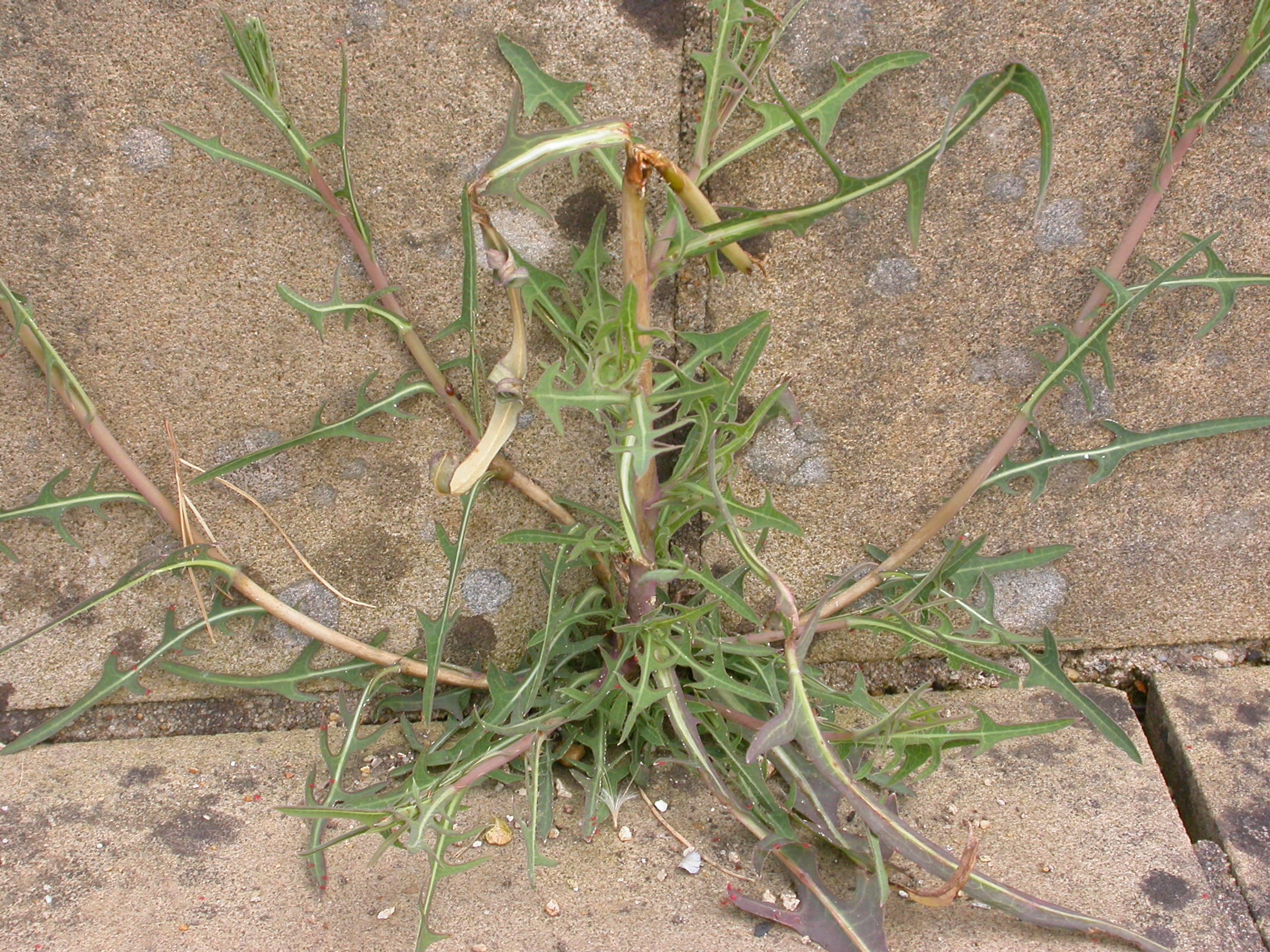
Though we were indoors for a good portion of the visit to Wakehurst, and when we emerged into sunlight we were either looking at the specially-cultivated (and brilliant) habitat beds or nosing around the greenhouses, we still managed to see a few plants which have managed to set up shop in places where the horticultural team at the gardens haven’t intended. Mostly, these were nestling in between the pavings around the Millennium Seed Bank, and included Lactuca saligna (Least Lettuce) and Filago vulgaris (Common Cudweed).
However, the primary purpose of the visit was to learn about the activities of the Seed Bank, which has worked with 166 countries around the world and has deposited about 34,000 species in its vaults. It is part of a huge network of seed banks, for which the collection of floral biodiversity is of fundamental importance.
To begin with, Ruth Eastwood introduced us to the international Crop Wild Relatives project, and explained the difference between orthodox seeds (most species, and relatively easy to deposit in a seed bank) and recalcitrant seeds (eg palms and other plants which may have fatty, rich seeds as a result of adopting different ecological strategies, but which are more challenging to lodge in a seed bank).
We then had a tour of the facilities by Stephanie Miles, the UK Collections Co-ordinator. The seed bank has been collecting the UK native flora for many decades and there are now only about 80 species which have not been collected (though they are a bit challenging).
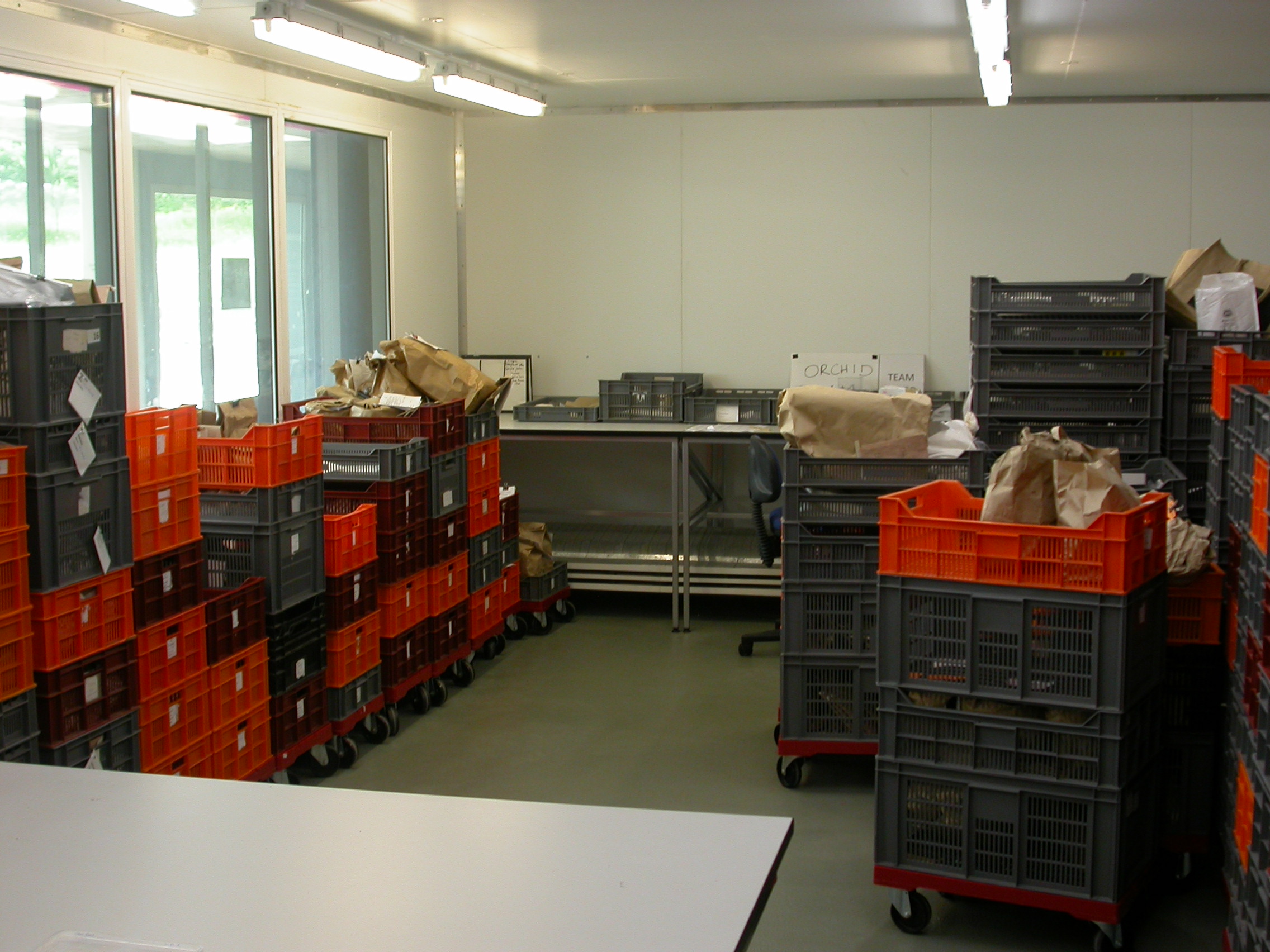
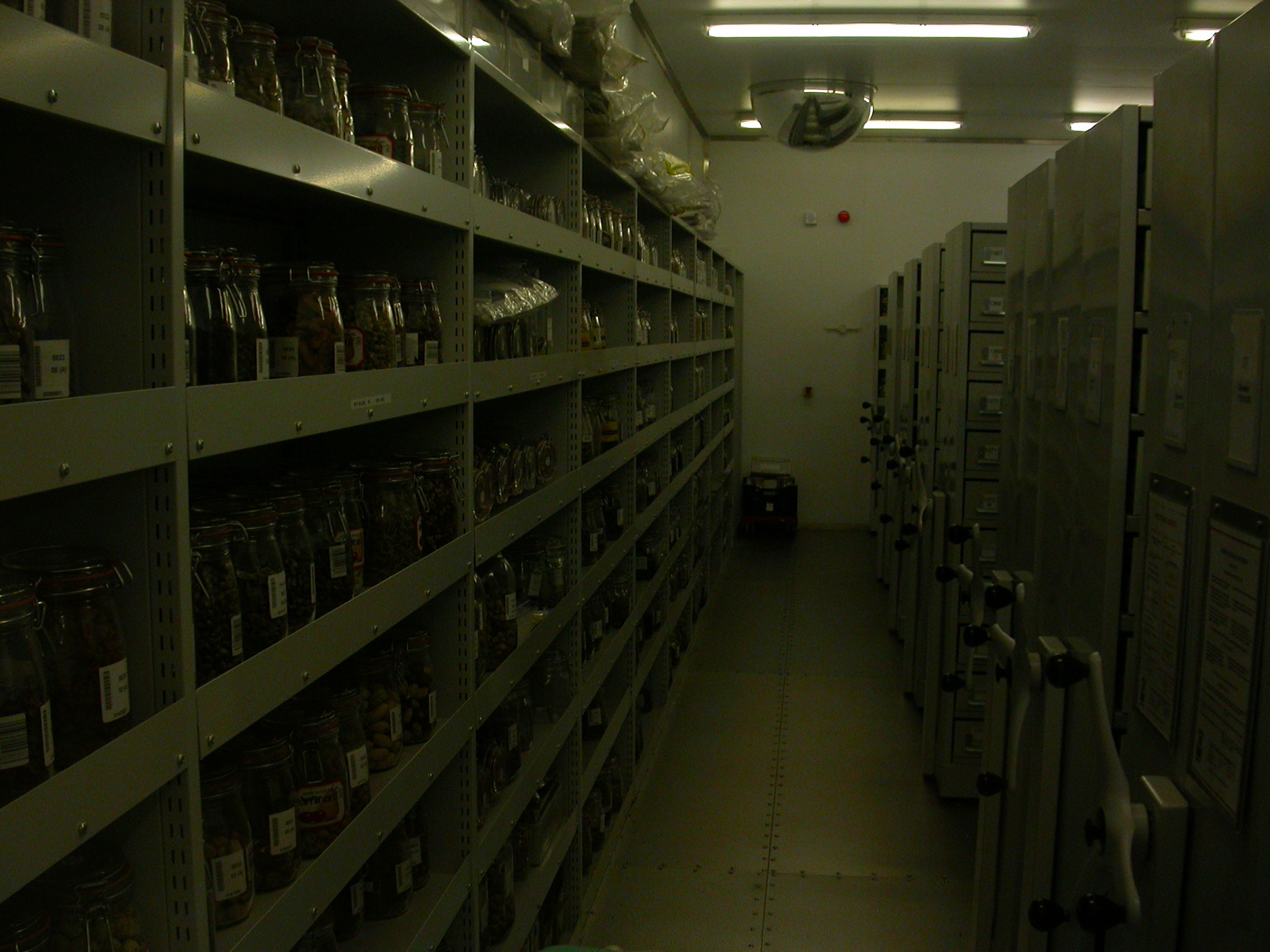
On arrival, seeds need to be checked and dried, then cleaned and prepared before being deposited in the cold chambers under the ground.
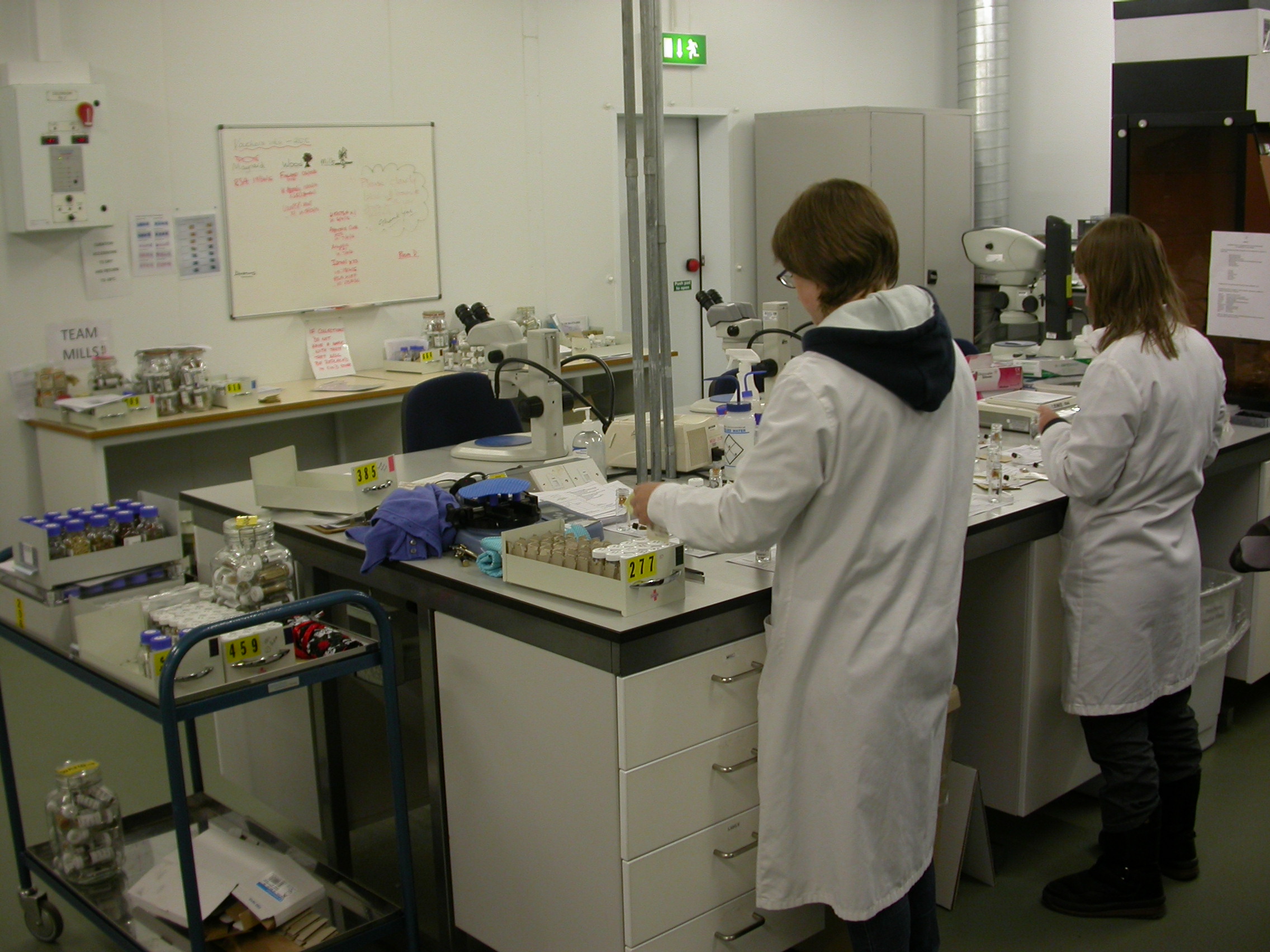
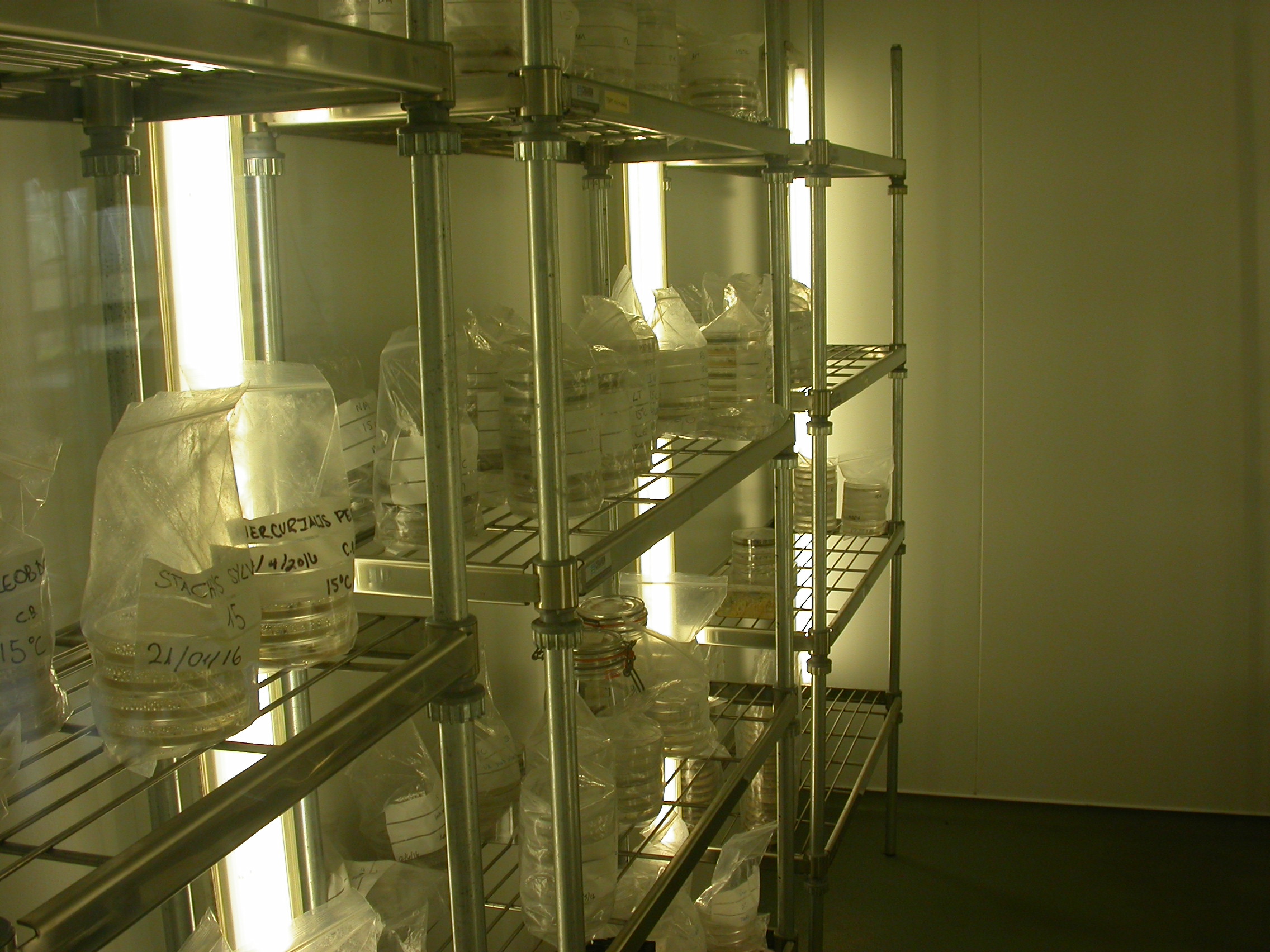
It is important to check seed viability, and so there are various incubators for germinating seeds and then plants are brought on in the numerous greenhouses near the seed bank. These contained several scarce plants, such as the national (and Sussex) rarity Phyteuma spicata (Spiked Rampion), as well as the grass Lolium temulentum (Darnel).


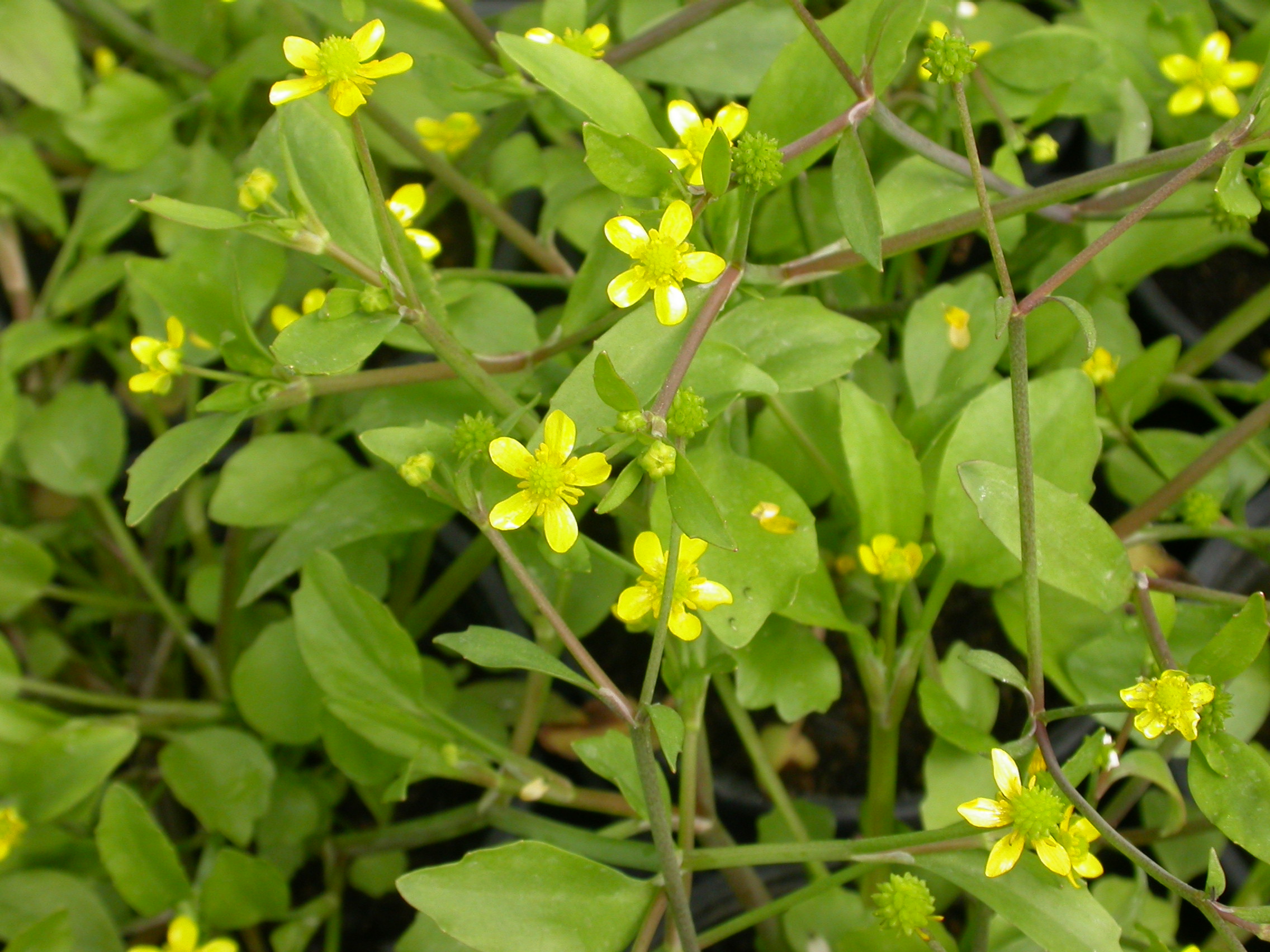
The seed bank is also working on a reintroduction project with Ranunculus ophioglossifolius (Adder’s-tongue Spearwort), which is especially important since its seeds were originally collected from the reintroduction site.
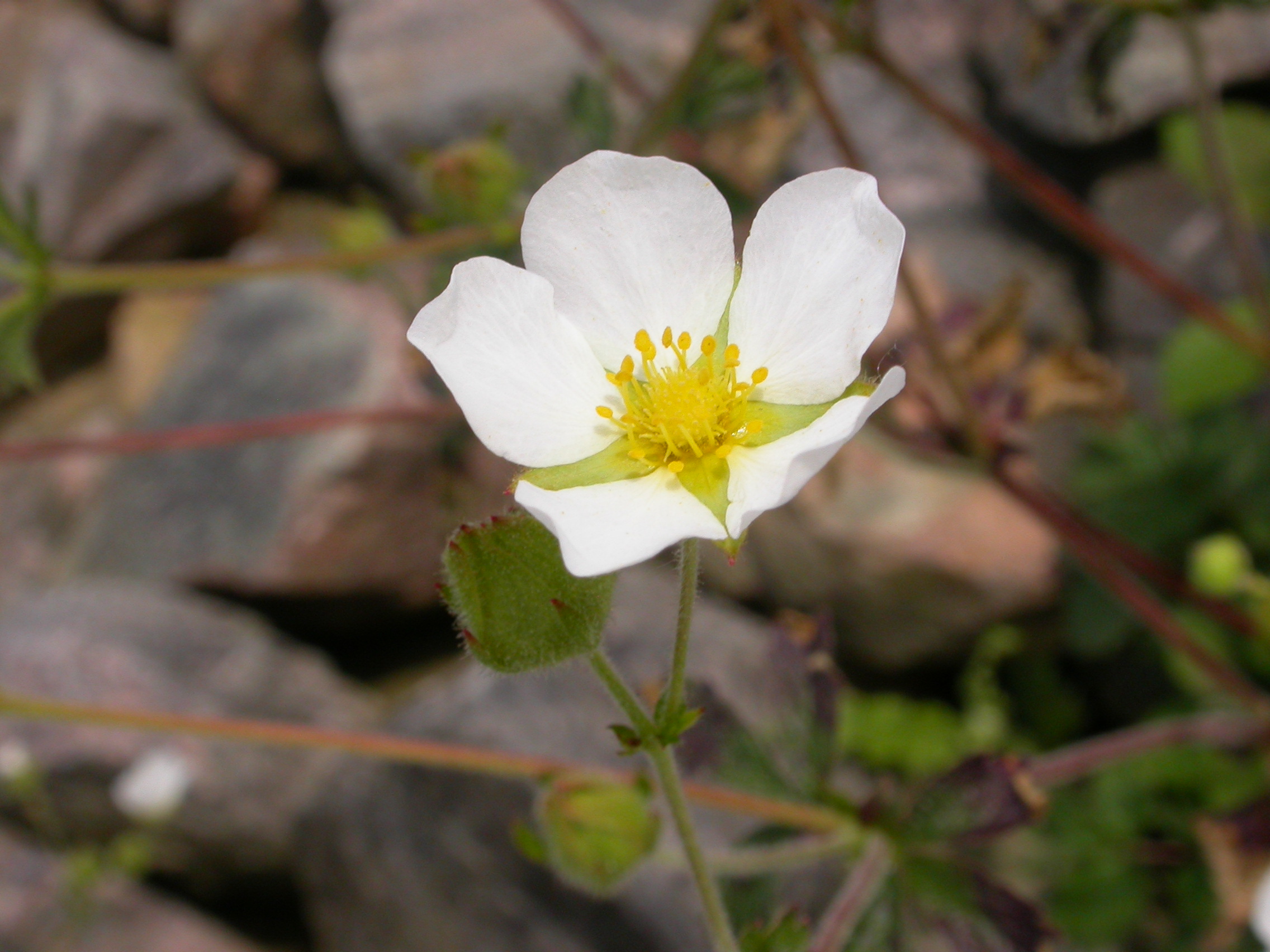
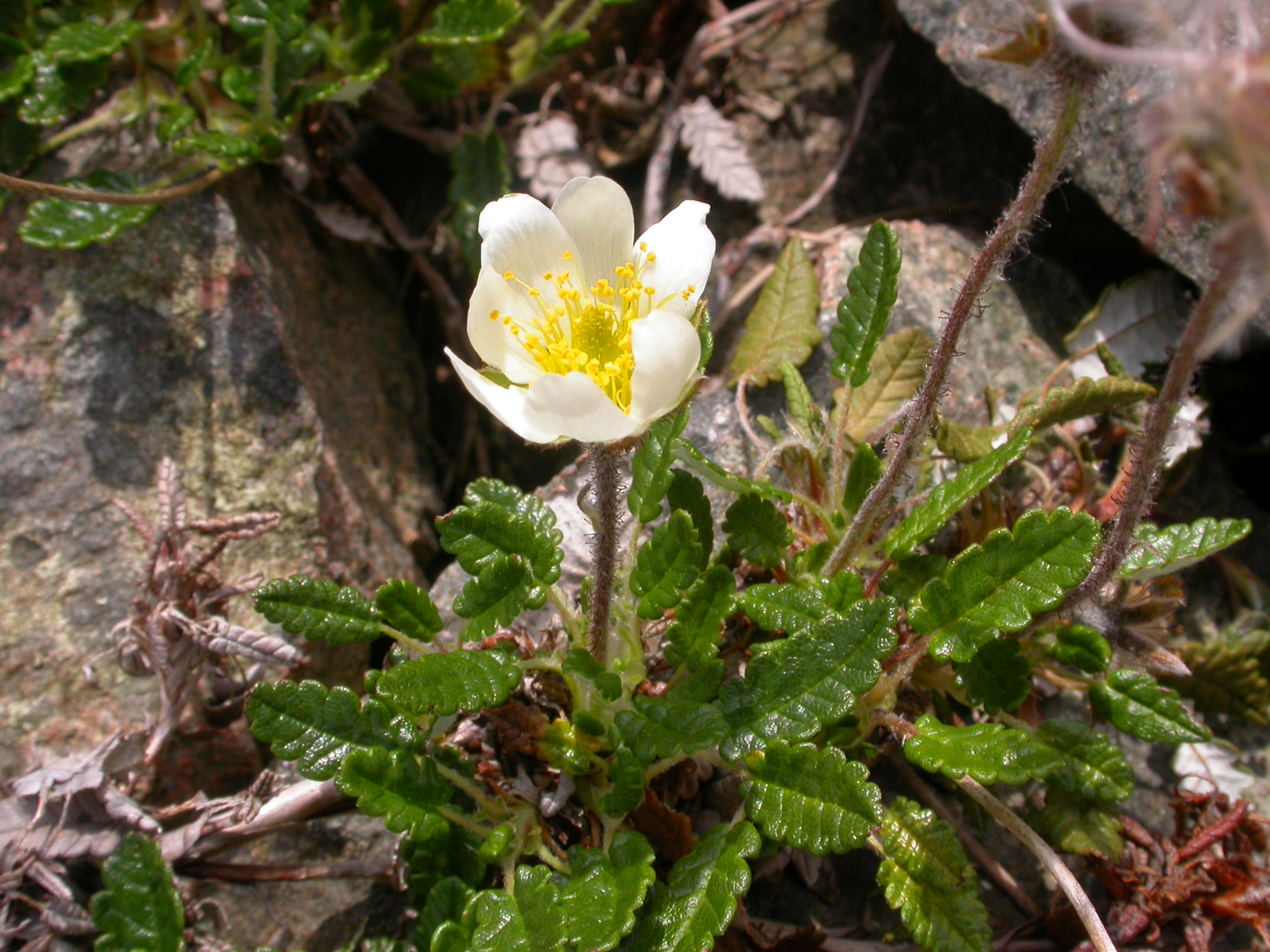
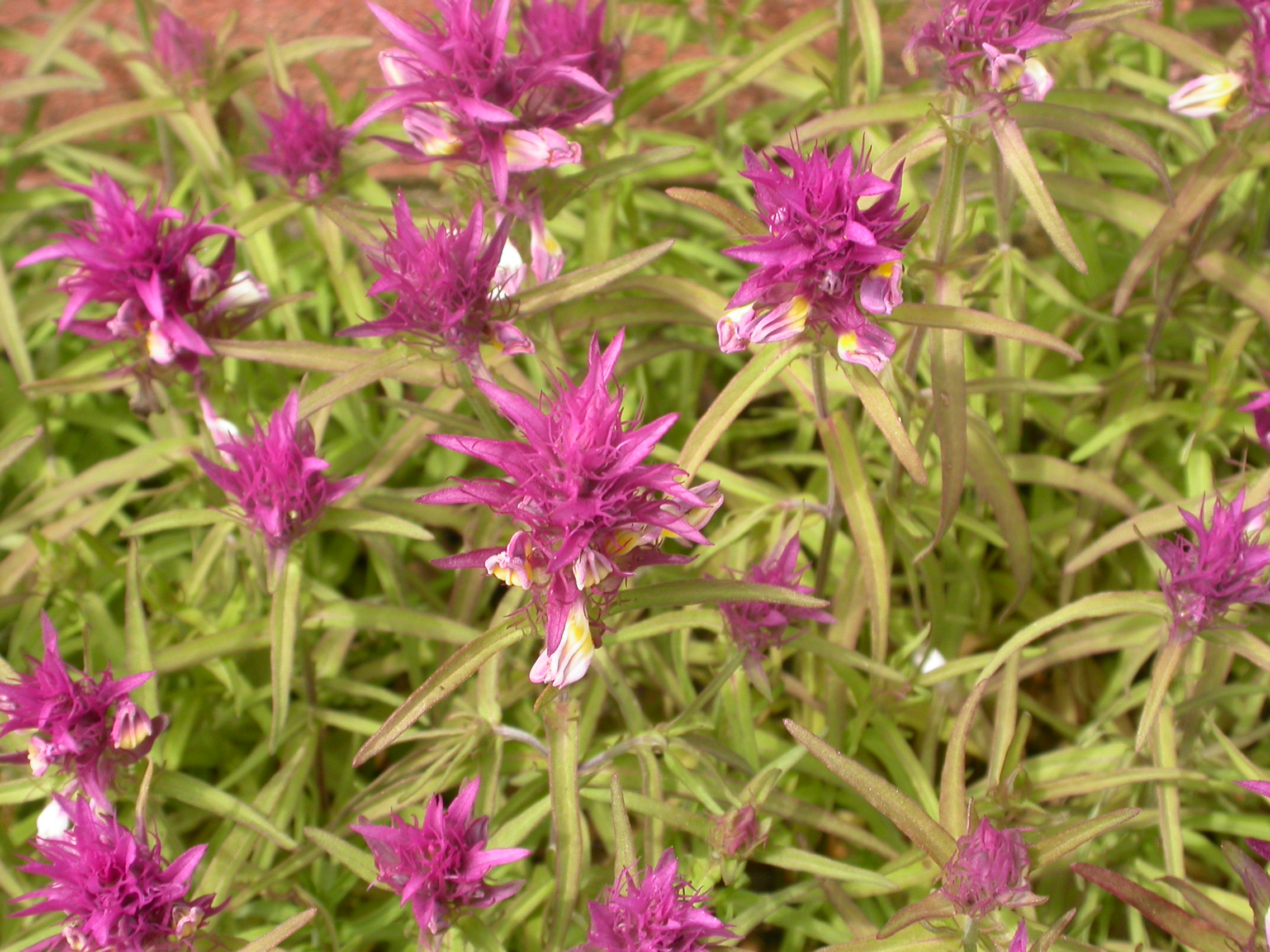
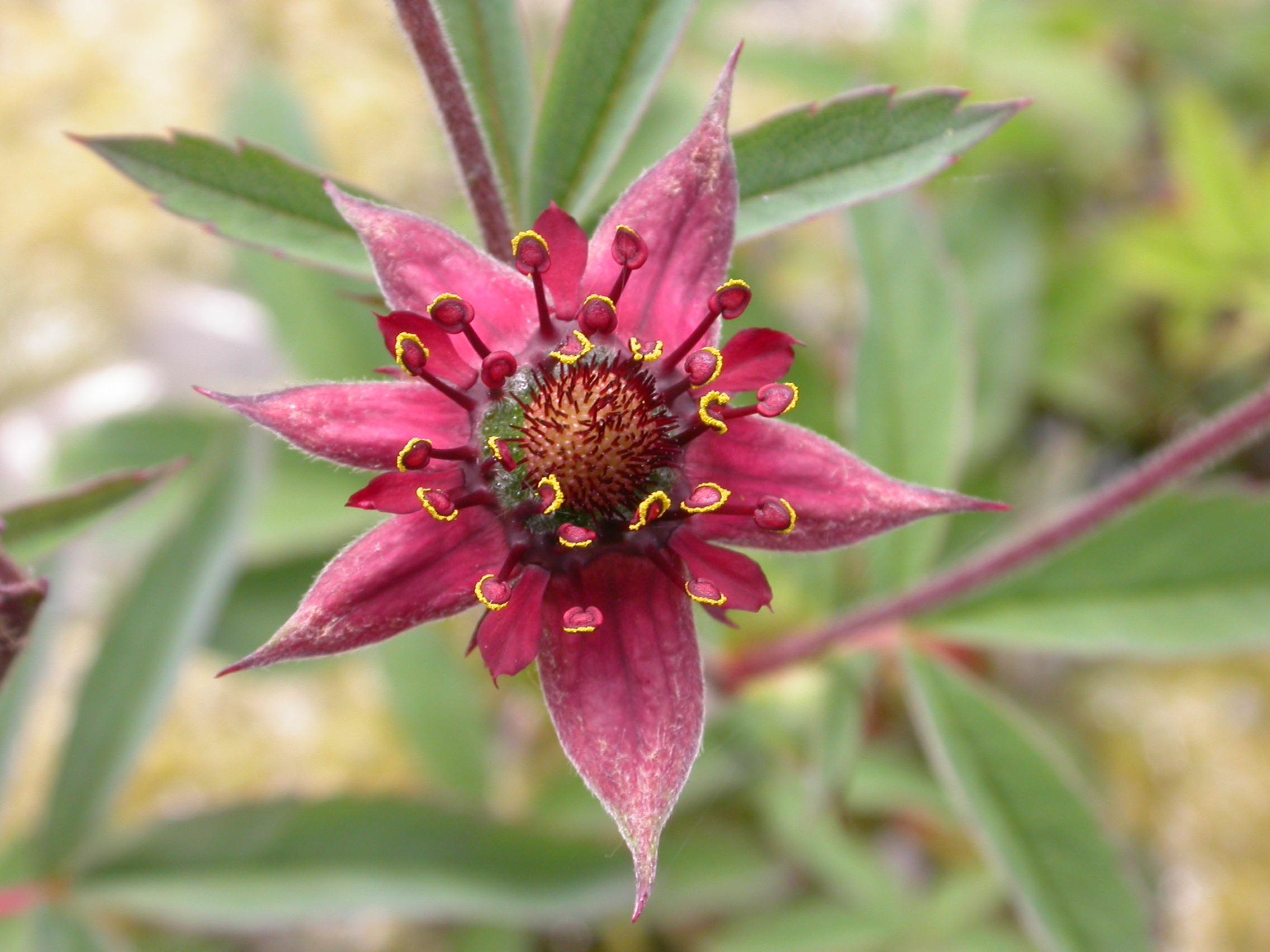
The habitat beds in front of the seed bank distracted us for a considerable time, not least since they include a range of species that are now uncommon in Sussex, or which are from habitats that do not occur in the south east.
Many thanks to Ruth Eastwood and Stephanie Miles for such a fascinating day.